Publicado el

Dirección Creativa en Moda Masculina: 3 Claves | Julio Bárcena

Dirección Creativa en Moda Masculina: 3 Claves | Julio Bárcena

Qué separa una campaña de lujo de un reportaje corriente en un mercado saturado de imagen perfecta y desechable

Los directores creativos y los directores de marketing de marcas de moda masculina se enfrentan cada temporada a la misma pregunta incómoda: qué hace que una imagen sea memorable cuando el mercado publica miles de fotografías impecables cada día. La respuesta no está en la cámara ni en el software de turno. Está en la dirección creativa, en las decisiones que un fotógrafo toma antes, durante y después de cada fotograma, ya sea disparando en calle real o dirigiendo generación asistida por inteligencia artificial bajo un protocolo documentado.

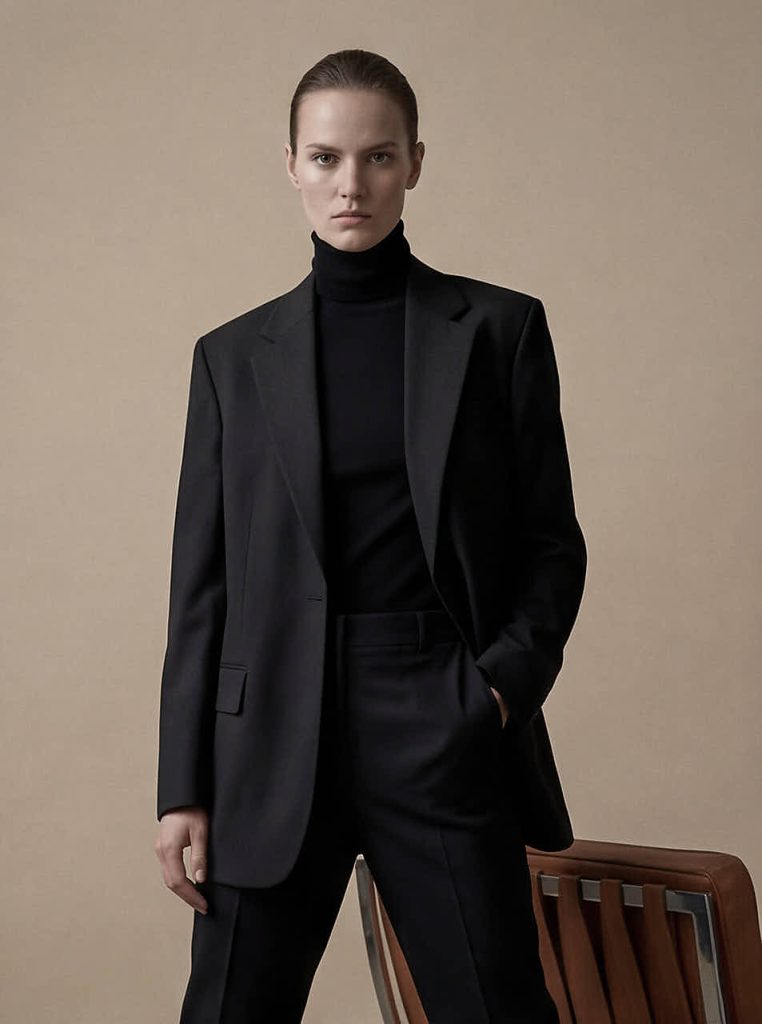
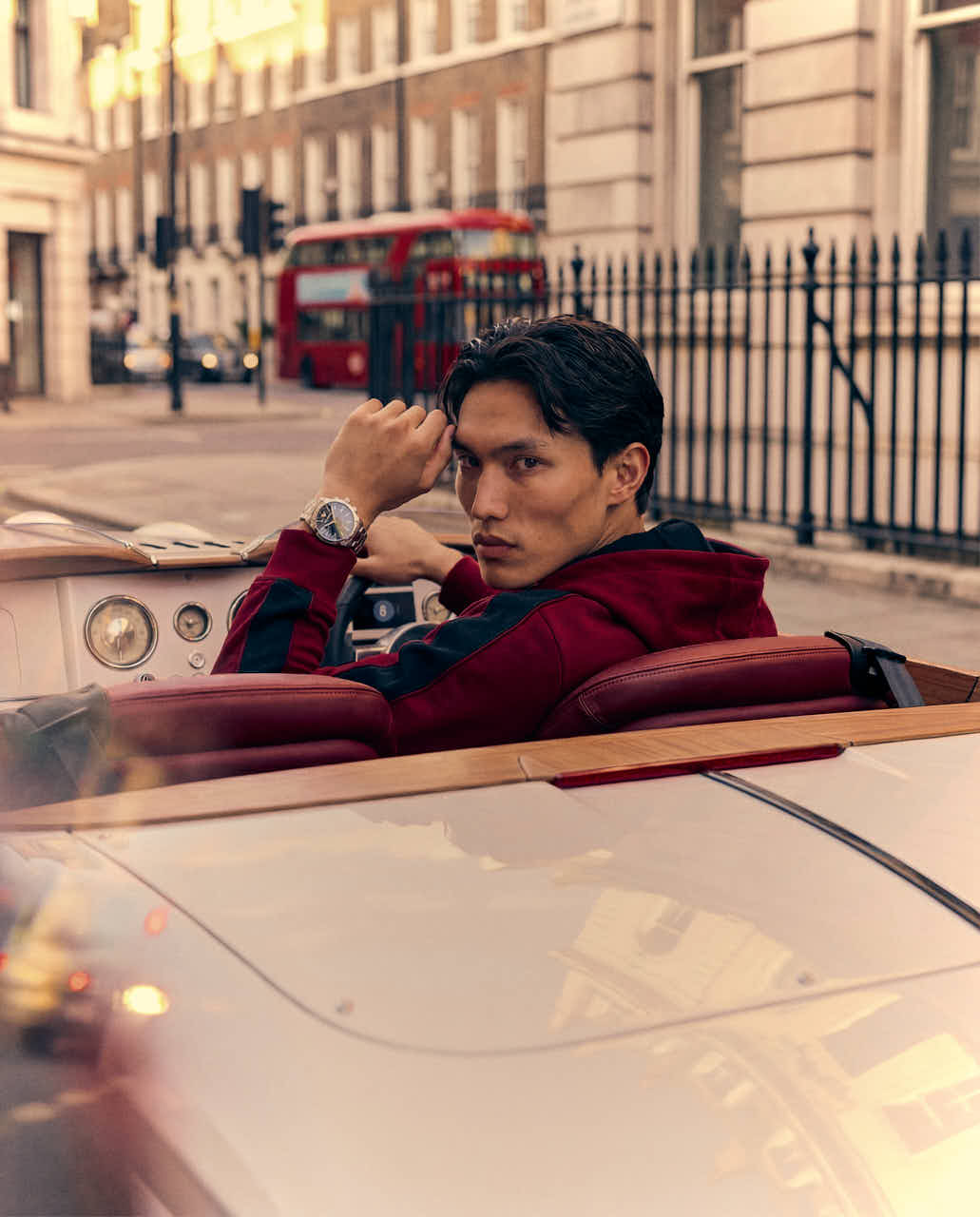
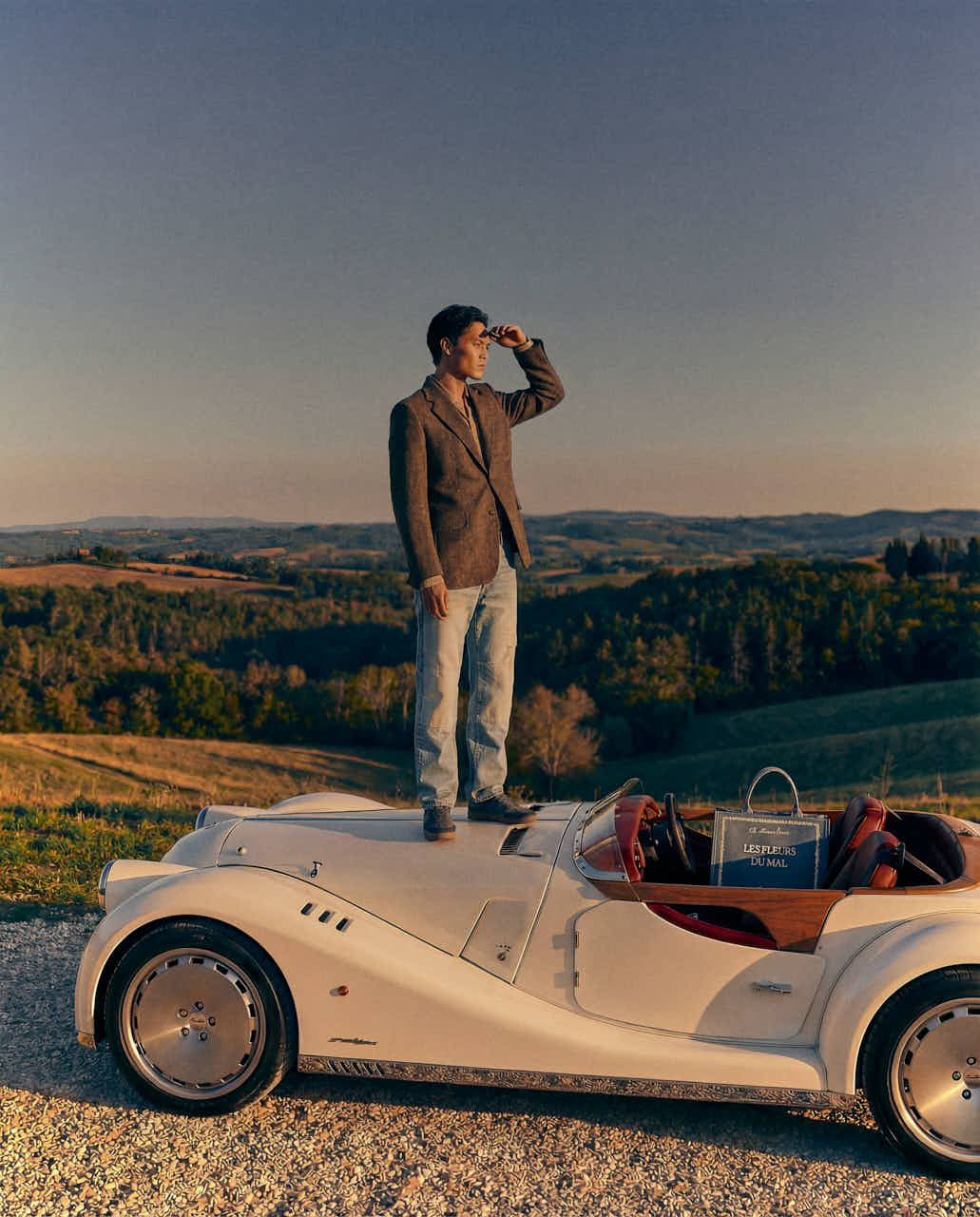
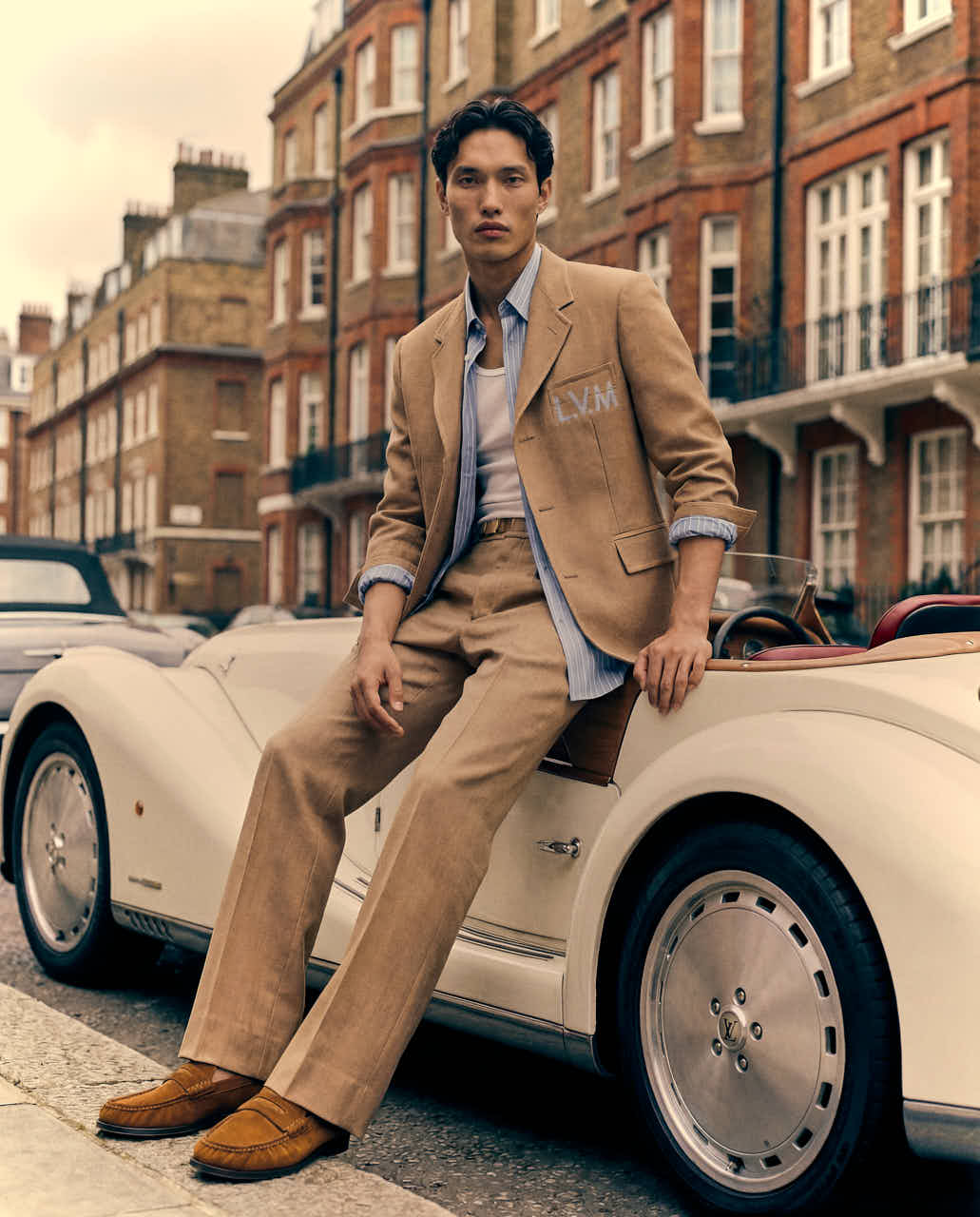
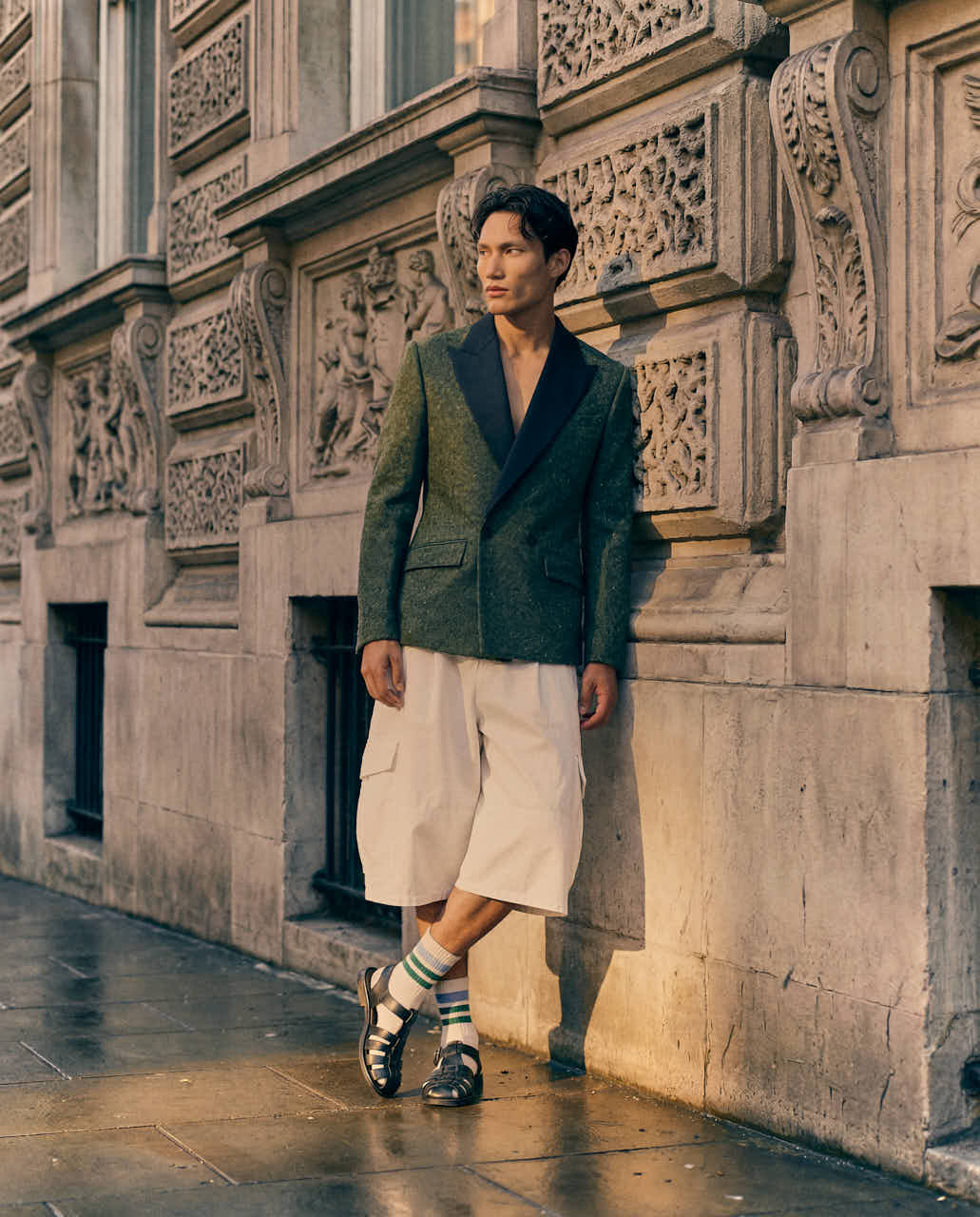
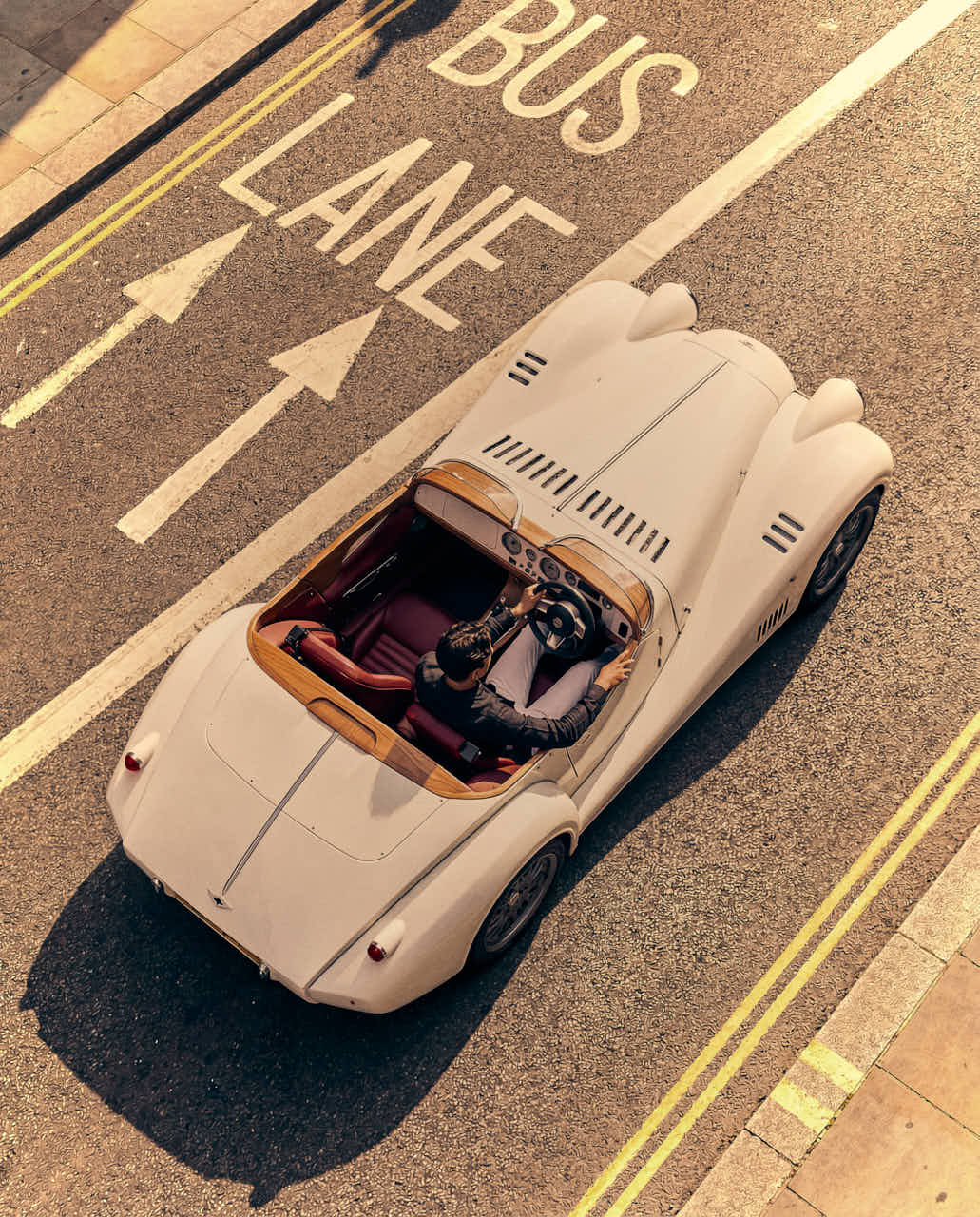
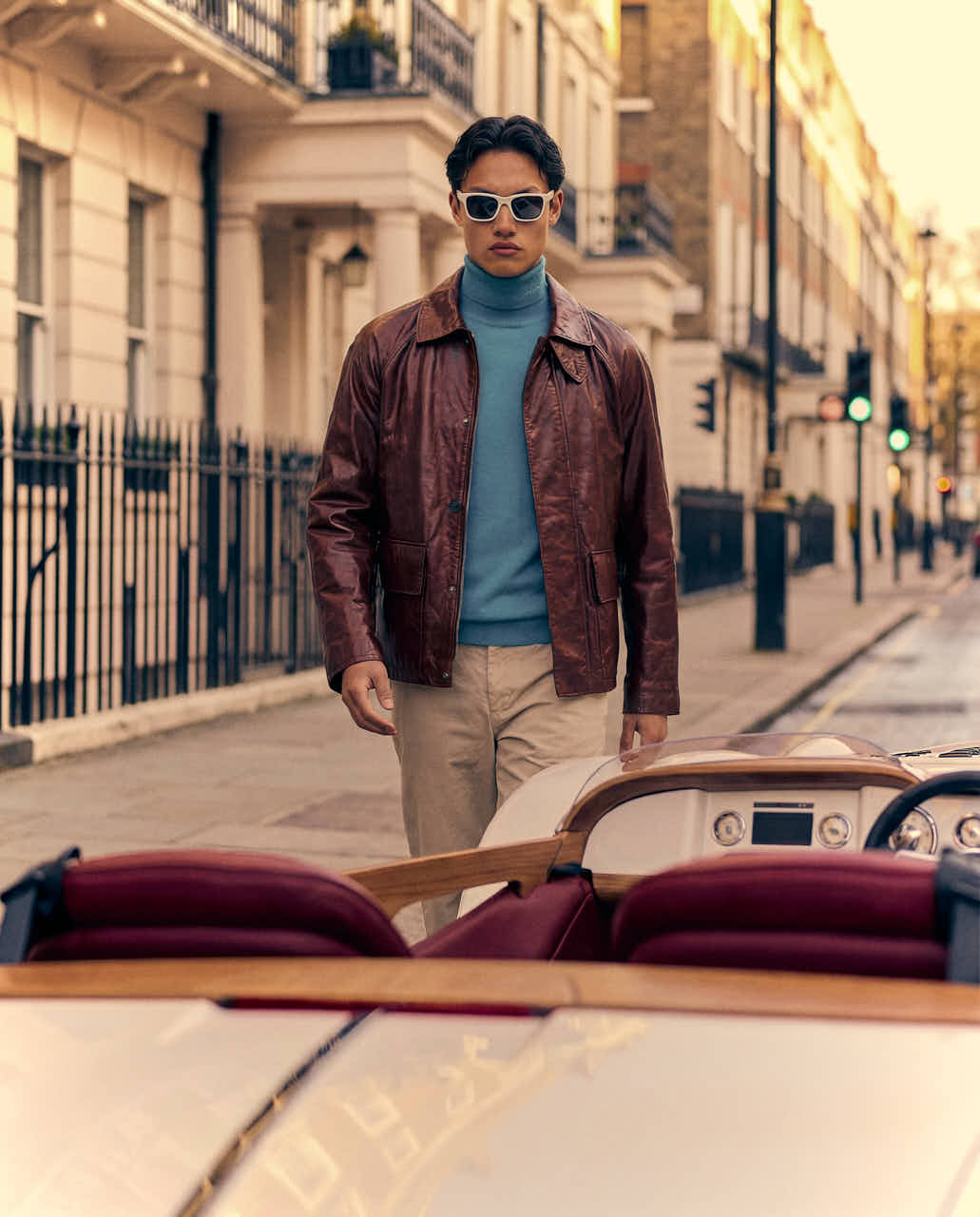
Tomando como referencia una editorial reciente, «Afterwork», rodada en las calles de Londres con prendas de Armani, Mango y Gucci, se pueden aislar tres decisiones que un fotógrafo especializado en fotografía de moda para hombre debe resolver siempre, sin excepción, sea cual sea la herramienta que tenga entre manos.

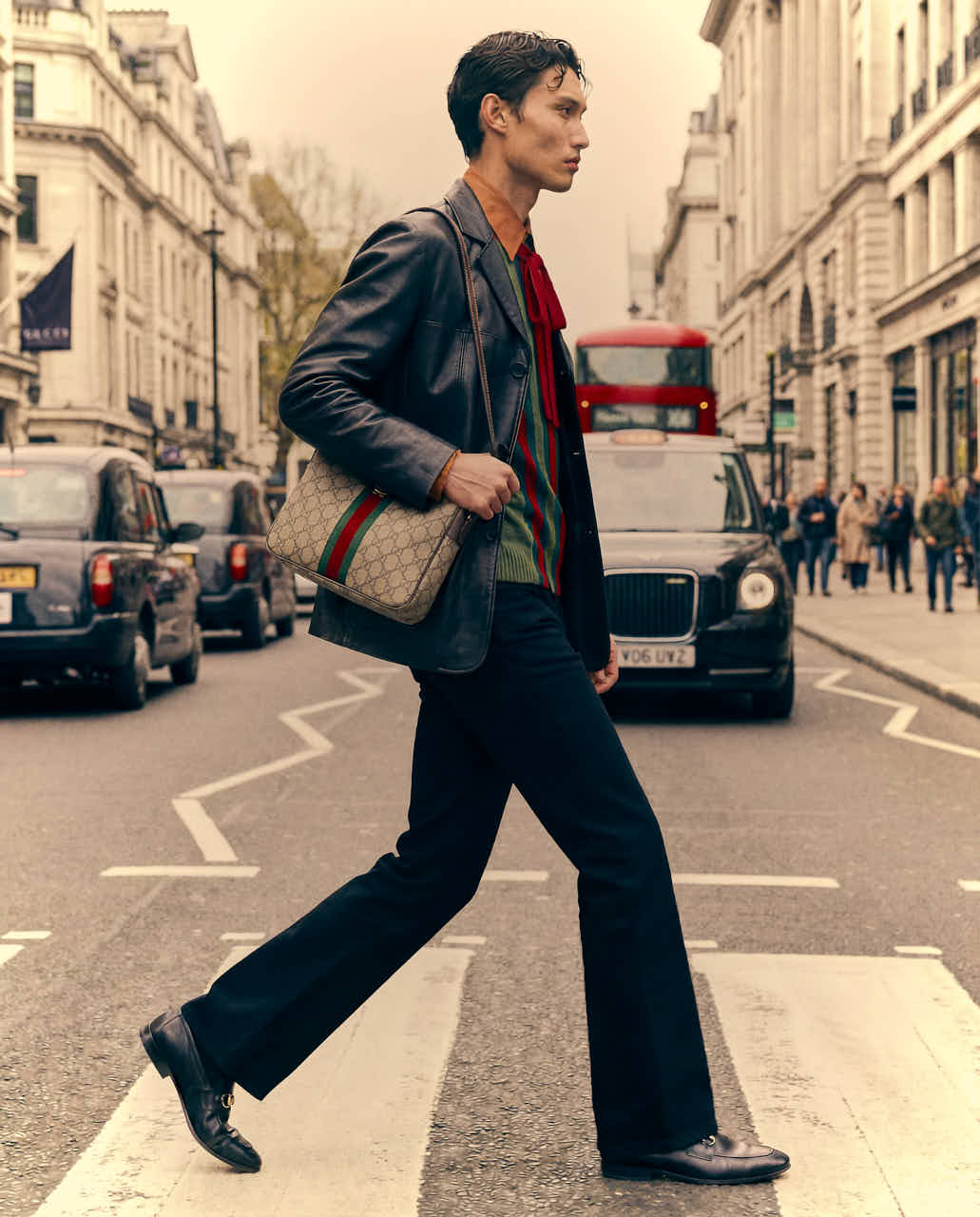
Dirección creativa de moda masculina IA por Julio Bárcena Studio, hombre con total look Gucci cruzando una calle de Londres
Editorial «Illustrated Fashion Him», Julio Bárcena Studio. Recreaciones de dirección creativa asistidas por IA, inspiradas en diseños de pasarela de dominio público editorial. No son prendas físicas cedidas por las marcas.

1. Narrativa real: el contexto que convierte una prenda en historia

Un total look de Armani sobre un fondo genérico es una prenda catalogada. El mismo total look apoyado en un cabriolet clásico, con un autobús rojo desenfocado al fondo y la verja de un edificio londinense reconocible, es una historia. Esa diferencia no es casualidad: es una decisión de dirección creativa tomada antes de generar el primer fotograma. El director tiene que elegir una localización que aporte credibilidad geográfica y emocional, no un decorado intercambiable. Cuando el contexto es específico y reconocible, el lector cree en la escena y, por extensión, cree en la marca. Cuando el fondo es neutro o repetido, la campaña se siente sintética, aunque la prenda esté perfectamente iluminada.

En moda masculina de alto nivel esta narrativa suele construirse alrededor de un momento del día, un ritual o un desplazamiento, como el «afterwork» de esta serie: alguien que sale de un compromiso profesional y cruza la ciudad con la misma actitud con la que entró en la sala de reuniones. Ese hilo narrativo es lo que un director de marketing debe exigir antes de aprobar cualquier propuesta visual, tanto si se rueda con cámara como si se dirige con IA.

2. Fidelidad de producto: la textura que sostiene el escrutinio de la marca

Una marca de lujo revisa cada imagen a nivel de píxel. El trenzado del canvas monograma de un bolso Gucci, la costura de una chaqueta de piel, el brillo correcto de un capó vintage: todo eso tiene que sostener el escrutinio de un equipo de producto acostumbrado a aprobar campañas fotografiadas de forma tradicional. Aquí es donde se rompen la mayoría de las imágenes generadas sin dirección: deformación de logotipos, proporciones imposibles, texturas planas que delatan la ausencia de referencia real.

Una dirección creativa fotografía moda hombre marcas de lujo seria ancla la geometría del producto, ya sea con referencia física capturada antes de generar, ya sea con un protocolo documentado que registre cada decisión sobre textura, proporción y comportamiento del material bajo luz. Esa documentación no es un capricho técnico: es lo que permite defender la autoría del resultado cuando la marca, o su departamento legal, pregunta quién dirigió realmente la imagen.

3. Consistencia de dirección de arte: el sistema visual que sostiene toda la campaña

Conseguir una imagen espectacular es relativamente fácil. Sostener el mismo grado de color, el mismo encuadre vertical de revista, el mismo lenguaje corporal contenido y la misma temperatura cálida a lo largo de una editorial completa, numerada como páginas de una publicación real, es lo que separa una campaña de una fotografía afortunada. En «Afterwork» cada imagen podría vivir por separado, pero juntas construyen un sistema: la misma tipografía de portada, la misma paleta ámbar de atardecer londinense, el mismo ritmo pausado de un hombre que no tiene prisa por llegar a ningún sitio.

Esa coherencia es la firma del director creativo. Un director de marketing que revisa treinta imágenes sueltas puede encontrar tres o cuatro buenas. Un director creativo entrega una serie donde todas suenan a la misma voz, y esa es precisamente la garantía que una marca de moda masculina paga cuando contrata dirección de alto nivel en lugar de contenido genérico.

Transparencia: la pregunta que toda marca hará antes de firmar

La propia editorial incluye un aviso visible: «recreaciones IA inspiradas en diseños de pasarela de dominio público editorial, no son prendas físicas cedidas por las marcas». Esa transparencia no es una concesión legal incómoda, es una ventaja competitiva. El debate se ha intensificado desde que Vogue publicó su primera campaña con una modelo generada por IA con un aviso apenas visible, lo que provocó una discusión abierta sobre consentimiento y estándares de belleza poco realistas en toda la industria de la moda[1]. Una dirección creativa que documenta su proceso y lo declara con claridad se adelanta a esa exigencia antes de que un cliente, un regulador o un lector tengan que preguntarlo.

Para un director creativo o un director de marketing que evalúa incorporar fotografía de moda masculina asistida por IA en su próxima campaña, la pregunta ya no es si la herramienta es capaz de generar una imagen bonita. Es si detrás de esa imagen hay una dirección creativa moda masculina documentada, defendible y repetible campaña tras campaña. Puedes ver el protocolo completo aplicado a moda y belleza en la página de visuales IA de Julio Bárcena Studio.

Preguntas frecuentes

¿Qué es la dirección creativa en fotografía de moda masculina?

Es el conjunto de decisiones, narrativa, localización, producto, luz, color y ritmo visual, que un fotógrafo o director de arte toma antes de disparar o generar una imagen, y que convierte una prenda en una historia reconocible para la marca y su audiencia.

¿Puede una dirección creativa de moda funcionar con imágenes generadas por inteligencia artificial?

Sí, siempre que exista un protocolo de dirección creativa documentado. Sin esa documentación no hay autoría defendible sobre el resultado, algo que cada vez más marcas y sus equipos legales exigen antes de aprobar una campaña.

¿Cómo garantiza un fotógrafo la fidelidad de un producto de lujo en una imagen generada con IA?

Ancla la geometría real del producto, textura, costura, proporción, mediante referencia física o protocolo documentado antes de generar cualquier fotograma, evitando la deformación y la falta de fidelidad que delatan una imagen sin dirección.

¿Por qué es importante la consistencia visual en una campaña de moda masculina?

Porque una imagen aislada puede ser una suerte, pero una campaña completa con el mismo grado de color, encuadre y lenguaje corporal es lo que construye reconocimiento de marca y demuestra que hay una voz de autor sosteniendo todo el proyecto.

¿Buscas dirección creativa documentada para tu próxima campaña de moda masculina?

[email protected] · juliobarcena.com · @julio_barcena_studio

Publicado el

Generative AI & Branding: The EU AI Act Impact in 2026

IA generativa y branding: activo visual certificado frente a la regulación IA generativa del AI Act en España 2026 Generative AI and branding — certified real visual content in the era of EU AI Act regulation
Generative AI & Branding: The EU AI Act Impact in 2026

Regulation  ·  Branding  ·  Commercial Photography

Generative AI & Branding:
The EU AI Act Impact in 2026

Authentic brand portrait and commercial photography by Julio Bárcena Studio — real visual content in an era regulated by the EU AI Act 2026
Authentic brand photography: the only visual asset that needs no disclaimer. © Julio Bárcena Studio

From 2 August 2026, any brand — in any sector — that uses AI-generated images in advertising without labelling them will be breaking EU law. What are you doing about it?

Generative AI and branding have become inseparable. In the last two years, creative teams across every sector — from startup founders building a personal brand to global corporations launching campaigns — have integrated AI image generation into their visual workflows. Faster iterations, lower production costs, limitless creative variations. The technology made sense. But the regulatory framework has now caught up, and it is changing the rules of the game for every brand that communicates visually.

The EU Artificial Intelligence Act — Regulation (EU) 2024/1689, in force since 1 August 2024 — reaches full application on 2 August 2026. From that date, any image, video, or audio substantially generated or altered by AI used in advertising or public communication must carry explicit labelling. This is not a proposal or a guideline. It is enforceable law, with financial penalties attached, applicable across all 27 EU member states — Spain included.

EU AI Act — Key Enforcement Dates

1 Aug 2024 Regulation (EU) 2024/1689 enters into force. Transitional period begins for most obligations.
2 Feb 2025 Prohibited AI practices banned. AI literacy obligations activated for organisations using AI systems.
2 Aug 2025 Penalty regime active. Transparency obligations for General-Purpose AI (GPAI) models enforceable.
⚑ 2 Aug 2026 Full application. Mandatory labelling of AI-generated images in all advertising and public communication. Maximum fines in force.

What the law actually requires from brands and agencies

Article 50 of the AI Act establishes a dual obligation at the core of AI-generated image labelling law. First, a machine-readable technical marker embedded directly in the image file — using the C2PA metadata standard or an equivalent format. Second, a consumer-visible disclosure whenever the synthetic content could reasonably mislead an audience about the authenticity of what is depicted.

This applies across the full spectrum of brand visual content. A personal brand portrait in which the subject's appearance has been substantially altered by AI must be labelled. A corporate campaign where the background, product, or environment was generated by AI requires embedded metadata. An executive headshot retouched to the point of AI-driven transformation falls within the regulation's scope. According to the European Commission, the goal is straightforward: consumers and audiences must be able to distinguish the real from the synthetic when making decisions.

Crucially, responsibility is not limited to the company that builds the AI tool. The EU AI Act visual content compliance obligation falls on the deployer — the brand, the agency, or the marketing team that decides to use the output and publish it. Outsourcing production to an agency does not transfer legal liability. The brand remains accountable.

Financial exposure: breaching the AI Act's transparency and labelling obligations can result in fines of up to 1.5% of total global annual turnover. For a company with €50M in annual revenue, that is up to €750,000 per infringement. In Spain, the Agencia Española de Supervisión de Inteligencia Artificial (AESIA) acts as the national supervisory authority.

Who is affected: every sector, every brand, every scale

One of the most common misconceptions is that the AI Act primarily targets large technology companies. It does not. The visual content labelling obligation applies to any organisation — regardless of size or sector — that uses AI-generated or AI-altered images in advertising or public communication directed at audiences in the EU.

In practice, this means a startup founder using AI-generated imagery for their personal brand on LinkedIn is as subject to the regulation as a multinational corporation running a pan-European campaign. A real estate agency using AI to enhance property photography, a law firm using AI-generated portraits for its website, a luxury brand using synthetic product visuals in digital advertising — all fall within the scope. The sector is irrelevant. The question is whether AI regulation and brand photography intersect in your communication, and for the vast majority of modern brands, the answer is yes.

"In an era where every brand has access to the same AI tools, certified authenticity becomes the differentiator that no algorithm can replicate."

The strategic shift: authentic photography as competitive advantage

Here is the paradox the regulation creates: the law that many perceive as an administrative burden is simultaneously generating a significant competitive advantage for brands that invest in authentic visual content. In an environment where every AI-generated image must be labelled, declared, and documented, a photograph taken by a real photographer communicates something that no synthetic image can: it is verifiably real, legally clean, and intrinsically credible.

The cost calculation for creative directors has fundamentally shifted. Synthetic images in advertising must now be weighed against their true total cost: the technology itself, the compliance overhead of documentation and labelling, the legal risk of non-compliance, and — most importantly — the reputational cost of being identified as a brand that uses synthetic visuals. In high-trust sectors such as professional services, healthcare, financial advisory, or premium consumer goods, that reputational cost is not theoretical. It is material.

For personal branding specifically, the stakes are even higher. A leader, founder, or executive whose public visual identity is built on AI-altered portraits faces a fundamental credibility problem the moment that alteration must be disclosed. Authentic portraiture is not a premium — it is the foundation of trust. And in 2026, it is also the legally safe choice.

Four actions every brand must take before August 2026

  • Audit your visual content inventory. Identify every image, video, or visual asset currently in use — across your website, social channels, advertising, presentations, and printed materials — where AI has substantially generated or altered the content. This audit is the foundation of your compliance strategy.
  • Implement a labelling and documentation protocol. For every piece of AI-generated content you continue to publish after 2 August 2026, establish a clear process: which tool was used, to what extent, and what labelling has been applied. Both machine-readable metadata (C2PA format) and consumer-visible disclosure may be required depending on context.
  • Review your agency and supplier contracts. Require agencies, retouching studios, and AI platform providers to provide explicit compliance declarations. The liability chain under AI Act visual content compliance rules is joint: your brand cannot delegate accountability to a supplier.
  • Define your brand's AI usage policy as a positioning statement. This is not merely a legal exercise. Deciding what level of AI intervention is compatible with your brand's authenticity values — and communicating that decision — is a strategic move. The brands that lead on transparency will own the trust advantage in their categories.

The opportunity: transparency as a brand asset in 2026

The implementation of the EU AI Act does not end the use of generative AI in brand communications. It restructures the playing field. Brands that embrace the new transparency requirements proactively — not as a compliance cost, but as a communication asset — will be better positioned than those that treat the regulation as a threat to be managed.

The most durable brand equity has always been built on credibility. The AI Act, paradoxically, is an instrument that rewards brands committed to real visual storytelling. Professional photography — technically precise, creatively directed, and authentically human — becomes not just an aesthetic choice, but a statement of values that audiences can now verify.

Because in an era of generative AI and branding, the question is no longer whether your brand uses AI. The question is what your choice of visual content says about who you are and whether your audience can trust what they see.

Quick answers — EU AI Act & brand visual content

When does the EU AI Act require labelling of AI-generated images in advertising?

Full application of the labelling obligation under Article 50 of Regulation (EU) 2024/1689 begins on 2 August 2026.

Does the regulation apply to personal branding and corporate photography?

Yes. The regulation covers any image in advertising or public communication where AI has substantially generated or altered the visual content — including personal brand portraits, corporate headshots, product photography and campaign visuals across all sectors and company sizes.

What are the penalties for non-compliance?

Fines can reach up to 1.5% of total global annual turnover. In Spain, the supervisory authority is AESIA (Agencia Española de Supervisión de Inteligencia Artificial).

Your brand deserves images that are real — and that no regulation can question.

Authentic brand photography and portrait work for leaders, agencies and ambitious brands across Spain and Europe.

Let's talk about your project