The Economic Impact of a Professional LinkedIn Profile Photo | Julio Bárcena
Personal Branding Strategy
How much is not having a professional LinkedIn profile photo costing you?
Introduction: The Invisible Cost of Visual Mediocrity
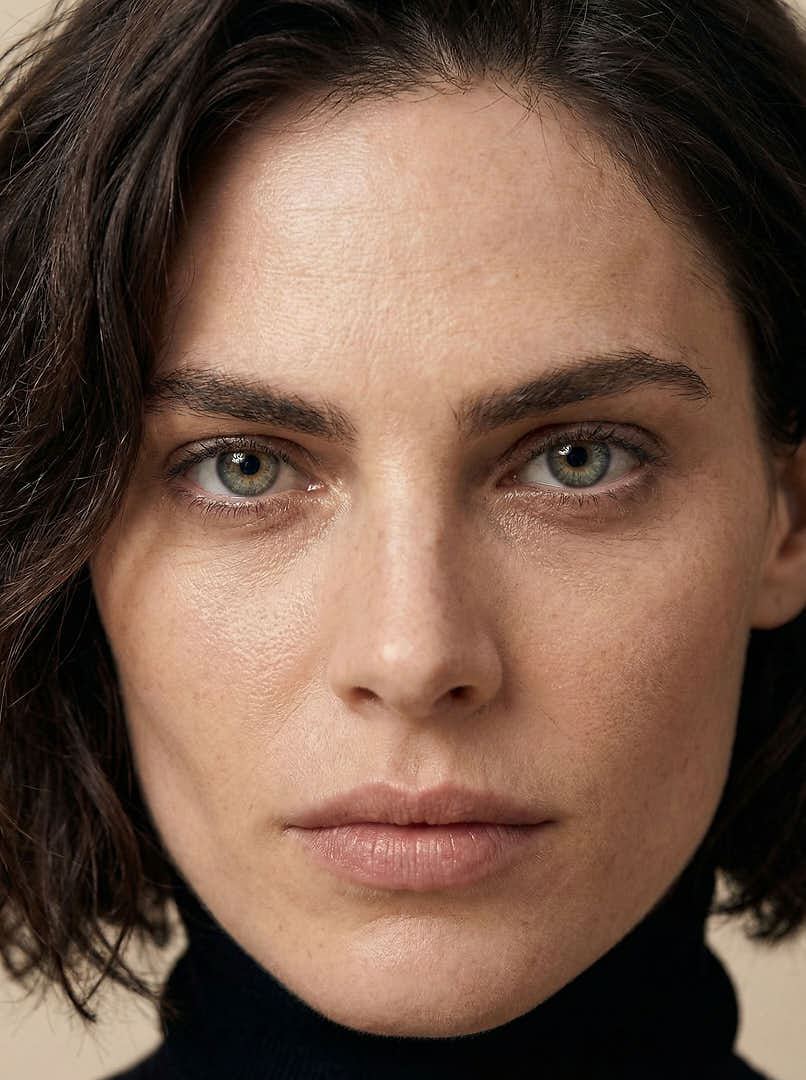
In today's hyper-competitive global market, your personal brand on LinkedIn is not merely an aesthetic choice—it is your most liquid financial asset. Before a potential client reads a single word of your summary or validates your skills, their brain has already processed your image. If that image fails to communicate authority, you are paying an invisible tax in the form of lost opportunities.
As a corporate portrait specialist, I have observed how the gap between real talent and visual perception is the primary hurdle in high-level executive careers. The question isn't how much a photo session costs, but how much you are losing by not projecting the value you truly possess.
The Psychology Behind the Economic Impact of Professional Image on LinkedIn
Research from Princeton University demonstrates that it takes the human brain just 100 milliseconds to form a judgment on a person's competence based solely on their face. On LinkedIn, this phenomenon translates into the "click of trust."
A professional LinkedIn profile photo acts as a lead multiplier. According to internal platform data, a strategic portrait generates up to 21 times more profile views and 9 times more connection requests. The economic impact of professional image on LinkedIn is direct: the higher the visual authority, the lower the resistance to your price point.
Visual Architecture of Trust
At Julio Bárcena Studio, we don't just take photos; we design visual architecture. A personal branding photographer must understand that every shadow, every angle, and the color psychology of your attire must align with your business objectives. If you are a CEO, your image must exude vision; if you are a consultant, it must project empathy and analytical depth.
The ROI of a High-End Corporate Portrait
Let's talk numbers. If your average contract value is $5,000, and a poor image causes just two potential clients a year to decide not to contact you due to a lack of "perceived authority," your annual loss is $10,000. In comparison, the investment in a session with an expert personal branding photographer pays for itself during the very first successful interaction.
Effective personal branding strategy requires consistency. You cannot expect to sell premium services with a "low-cost" image. The cognitive dissonance generated by a high-experience profile with poor photography destroys trust before the conversation even begins. You can explore how we have transformed the presence of other leaders in our personal branding project portfolio.
Conclusion: Your Image is Your Value Proposition
Your professional LinkedIn profile photo is your promise of value to the world. In a saturated environment, differentiation is the only path to profitability. Do not allow a mediocre photograph to be the glass ceiling of your professional career. It is time for your "digital self" to be as impressive as your real-world talent.
Frequently Asked Questions (FAQ)
Why isn't a high-quality selfie enough?
A selfie communicates informality and a lack of professional investment. To a client's "trust algorithm," a selfie suggests you aren't willing to invest in yourself, which raises doubts about whether you are the right person to handle their high-stakes projects.
How often should I update my corporate portrait?
It is recommended every 2 years. Consistency between your online image and your physical appearance in a meeting is vital to maintain the initial trust cycle.
What role does the background play in a branding photo?
The background should either contextualize or neutralize. At Julio Bárcena Studio, we use backgrounds that eliminate distractions so the absolute focus remains on your gaze and your expression of leadership.
How Much Does a Bad Profile Photo Cost? | Julio BárcenaStrategic personal branding photography · Julio Bárcena Studio · Barcelona
Your profile photo is your most active salesperson. It works 24 hours a day, in every market, without commission. In 80% of cases, it is working against you. This article measures what that costs in real business terms.
How Much Does a Bad Profile Photo Cost?
By Julio Bárcena · · Personal Branding · Series: The Image That (Doesn't) Represent You
Your profile photo is your most active salesperson. It works 24 hours a day, in every market, without commission. And in 80% of cases, it is actively working against you.
There is a salesperson working for you 24 hours a day, 7 days a week, in every market in the world simultaneously. They never rest. They never ask for time off. They require no commission. It's called your profile photo. And in 80% of cases, that salesperson is actively sabotaging you.
Personal branding photography has stopped being an aesthetic luxury and become business infrastructure. This is the first article in the series The Image That (Doesn't) Represent You — a direct analysis of how much it's costing you not to have resolved this yet.
The Problem Nobody Wants to Name
In a world where first contact happens on screen before it happens in person, the professional profile photo for executives has stopped being a bureaucratic formality and become the first public declaration of your authority. Or the lack of it.
And yet, most leaders and directors treat their digital image with a negligence they would never apply to their business card, their corporate presentation, or their office décor. The photo they chose four years ago at a wedding, cropped to hide a family member's arm, is still standing guard on LinkedIn while they negotiate six-figure contracts.
How much is that inconsistency costing them? More than it appears.
Personal Branding Photography Is Not Aesthetics: It's Business Infrastructure
Social psychology has spent decades documenting what intuition already suspected. According to established research on visual perception and first impressions, the human brain takes between 50 and 100 milliseconds to form a judgment about a person based on their image. Before reading their title. Before processing their experience. Before they have said a single word.
In that instant, three simultaneous judgments are triggered: Are they competent? Are they trustworthy? Are they approachable? If your professional profile photo fails that unconscious filter, the rest of your profile has very little room to recover.
Think of it in pure business terms: if you receive 50 connection requests a month and your image causes 40% of relevant profiles to scroll past without reading your description, you are losing 20 monthly opportunities to start relationships that could have opened doors. Multiplied by twelve months. Multiplied by several years.
It's not a photo. It's the silent cost of a bad decision. Personal branding photography done well is, by contrast, an investment with measurable and direct returns.
The Five Mistakes Executives Make with Their Professional Image
1. The event photo. Taken at a conference, a company dinner, or a wedding. The background is chaotic, the lighting is flat, and the expression says "they caught me off guard." It communicates that image is not a priority.
2. The ten-year-old photo. The gap between photo and reality produces a micro-distrust that is hard to name but easy to feel at the first in-person meeting.
3. The overly casual photo. The mountain selfie, the cropped family photo, the vacation image with a filter. In a highly competitive environment, that message has direct consequences for your professional image as an executive.
4. The generic corporate photo. Grey suit, white background, standard smile. The photo that could belong to anyone. In a saturated market, generic is invisible. And invisible doesn't generate business.
5. The complete absence of a photo. A profile without an image on LinkedIn doesn't project mystery or privacy. It projects abandonment. The message received by whoever visits is simple: this person is not here.
What Separates a Correct Photo from Personal Branding Photography That Works for You
A high-performance personal branding photograph is not merely technically correct: it is strategically constructed. Before a single shot is fired, questions must be answered that are not photographic in nature.
Who does this image need to reach? What industry will be looking at it? What competencies must be perceived before anyone reads the job title? What differentiates this professional from the hundred others doing the same thing?
Light, framing, expression, gaze direction, color palette, visual context — every decision is a signal. Every signal builds or destroys perception. To better understand the technical process behind a well-constructed professional image, I also recommend reading about the most common mistakes in professional portrait photography in Barcelona — and how to avoid them from the start.
Real Case: When Personal Branding Photography Opens Markets from Zero
Rayaan — a fictitious name — is an American investor who arrived in Spain with real capital and real projects. No local network. Everything still to build.
His objective was clear: to create from scratch a network of relevant contacts within the Spanish business ecosystem. But from the beginning he encountered a resistance that had no rational explanation. He had capital. He had sector knowledge. What he didn't have was a professional executive image that communicated who he was before he had the chance to explain it.
His digital profiles showed someone competent in his home market, but visually disconnected from the European environment where he wanted to operate. In that context, where trust is also built through visual and cultural signals, Rayaan wasn't being read as a serious counterpart. He was simply an unknown with no signals to justify the effort of getting to know him.
It was Rayaan himself who identified the problem and decided to act: he wanted the perception others had of him to change. And he understood that the starting point was personal branding photography.
We worked together to rebuild his image from scratch with a clear objective: project European authority without losing his American identity. The session didn't consist of putting him in a different suit and clicking. It consisted of analyzing which competencies needed to be visible — analytical capability, a disposition to listen, solidity as a counterpart — and constructing an image that communicated exactly that, in the visual language the Spanish market recognizes as a signal of credibility.
The result was a transformation in how others perceived him before meeting him. His new professional image positioned him as an integral part of the local business fabric. First impressions began to align with who he actually was. And Rayaan is now in active negotiation with several local investment projects that, before, simply never arrived.
He didn't change his capital. He didn't change his experience. He changed the first thing the world saw of him.
The Question You Should Ask Yourself Today
Right now, your professional profile photo is speaking on your behalf somewhere. Someone is looking at it before deciding whether to accept your connection request, whether to respond to your message, whether to invite you to that meeting.
What is it saying?
In a market where everyone has experience, everyone has credentials, and everyone has something to offer, what differentiates you in the first second is the image. The question is not whether you can afford to invest in personal branding photography in Barcelona. The question is how much it's costing you not to have done it yet.
Frequently Asked Questions About Personal Branding Photography
Why does my profile photo affect my business results?
Because in the digital environment, your professional profile photo is the first impression you generate before anyone reads your title or experience. The brain takes between 50 and 100 milliseconds to form a judgment of competence, trust, and approachability. If your image fails that unconscious filter, the rest of your profile has very little room to recover.
How much does a bad LinkedIn profile photo cost?
The cost of a bad LinkedIn profile photo is invisible but real: it is measured in opportunities that never arrive, meetings that never happen, and relevant connections that scroll past. An executive who loses 40% of their monthly connection opportunities due to an inadequate professional image may be missing between 20 and 30 potential business relationships every month.
What should a good personal branding photo communicate?
A strategic personal branding photograph must communicate competence, trust, and approachability simultaneously, and project the specific competencies of the professional: authority, analytical ability, dynamism, or solidity depending on the target market and sector.
How often should I update my professional profile photo?
As a general rule, every 2-3 years or when there is a significant change in your professional positioning or physical appearance. The gap between photo and reality generates a micro-distrust that is hard to name but very easy to feel at the first in-person contact.
Does personal branding photography have demonstrable ROI?
Yes. The ROI of strategic personal branding photography is measured in increased connection request acceptance rates, improved response rates to direct messages, access to higher-level counterparts and, ultimately, the conversion of digital contacts into real business relationships.
This article is the first in a series of four about the image that (doesn't) represent you. The next one addresses the psychology behind visual first impressions — and why your brain has already made a decision before you have read a single line of a profile.
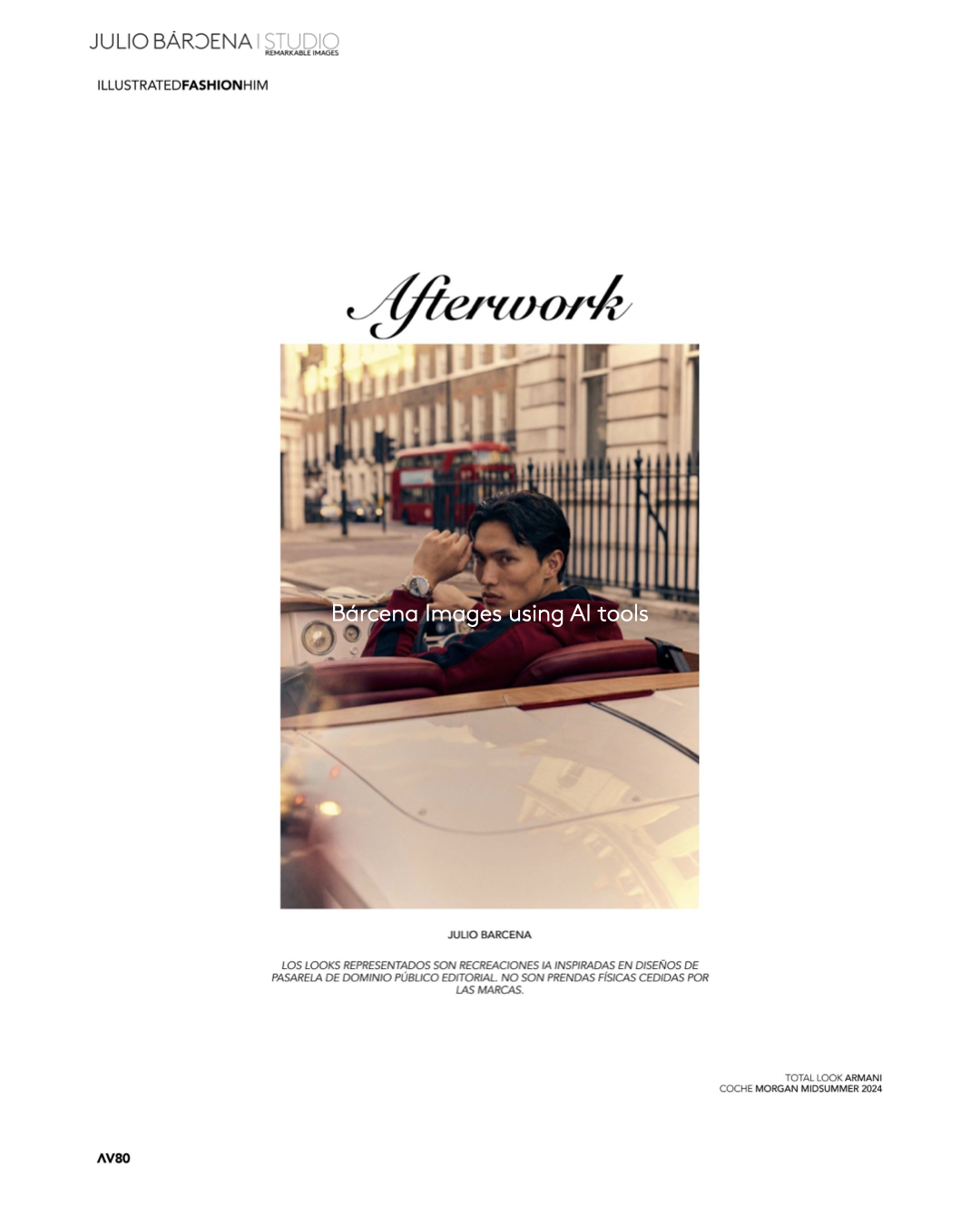
From 2 August 2026, any brand — in any sector — that uses AI-generated images in advertising without labelling them will be breaking EU law. What are you doing about it?
Generative AI and branding have become inseparable. In the last two years, creative teams across every sector — from startup founders building a personal brand to global corporations launching campaigns — have integrated AI image generation into their visual workflows. Faster iterations, lower production costs, limitless creative variations. The technology made sense. But the regulatory framework has now caught up, and it is changing the rules of the game for every brand that communicates visually.
The EU Artificial Intelligence Act — Regulation (EU) 2024/1689, in force since 1 August 2024 — reaches full application on 2 August 2026. From that date, any image, video, or audio substantially generated or altered by AI used in advertising or public communication must carry explicit labelling. This is not a proposal or a guideline. It is enforceable law, with financial penalties attached, applicable across all 27 EU member states — Spain included.
EU AI Act — Key Enforcement Dates
1 Aug 2024Regulation (EU) 2024/1689 enters into force. Transitional period begins for most obligations.
2 Feb 2025Prohibited AI practices banned. AI literacy obligations activated for organisations using AI systems.
2 Aug 2025Penalty regime active. Transparency obligations for General-Purpose AI (GPAI) models enforceable.
⚑ 2 Aug 2026Full application. Mandatory labelling of AI-generated images in all advertising and public communication. Maximum fines in force.
What the law actually requires from brands and agencies
Article 50 of the AI Act establishes a dual obligation at the core of AI-generated image labelling law. First, a machine-readable technical marker embedded directly in the image file — using the C2PA metadata standard or an equivalent format. Second, a consumer-visible disclosure whenever the synthetic content could reasonably mislead an audience about the authenticity of what is depicted.
This applies across the full spectrum of brand visual content. A personal brand portrait in which the subject's appearance has been substantially altered by AI must be labelled. A corporate campaign where the background, product, or environment was generated by AI requires embedded metadata. An executive headshot retouched to the point of AI-driven transformation falls within the regulation's scope. According to the European Commission, the goal is straightforward: consumers and audiences must be able to distinguish the real from the synthetic when making decisions.
Crucially, responsibility is not limited to the company that builds the AI tool. The EU AI Act visual content compliance obligation falls on the deployer — the brand, the agency, or the marketing team that decides to use the output and publish it. Outsourcing production to an agency does not transfer legal liability. The brand remains accountable.
Financial exposure: breaching the AI Act's transparency and labelling obligations can result in fines of up to 1.5% of total global annual turnover. For a company with €50M in annual revenue, that is up to €750,000 per infringement. In Spain, the Agencia Española de Supervisión de Inteligencia Artificial (AESIA) acts as the national supervisory authority.
Who is affected: every sector, every brand, every scale
One of the most common misconceptions is that the AI Act primarily targets large technology companies. It does not. The visual content labelling obligation applies to any organisation — regardless of size or sector — that uses AI-generated or AI-altered images in advertising or public communication directed at audiences in the EU.
In practice, this means a startup founder using AI-generated imagery for their personal brand on LinkedIn is as subject to the regulation as a multinational corporation running a pan-European campaign. A real estate agency using AI to enhance property photography, a law firm using AI-generated portraits for its website, a luxury brand using synthetic product visuals in digital advertising — all fall within the scope. The sector is irrelevant. The question is whether AI regulation and brand photography intersect in your communication, and for the vast majority of modern brands, the answer is yes.
"In an era where every brand has access to the same AI tools, certified authenticity becomes the differentiator that no algorithm can replicate."
The strategic shift: authentic photography as competitive advantage
Here is the paradox the regulation creates: the law that many perceive as an administrative burden is simultaneously generating a significant competitive advantage for brands that invest in authentic visual content. In an environment where every AI-generated image must be labelled, declared, and documented, a photograph taken by a real photographer communicates something that no synthetic image can: it is verifiably real, legally clean, and intrinsically credible.
The cost calculation for creative directors has fundamentally shifted. Synthetic images in advertising must now be weighed against their true total cost: the technology itself, the compliance overhead of documentation and labelling, the legal risk of non-compliance, and — most importantly — the reputational cost of being identified as a brand that uses synthetic visuals. In high-trust sectors such as professional services, healthcare, financial advisory, or premium consumer goods, that reputational cost is not theoretical. It is material.
For personal branding specifically, the stakes are even higher. A leader, founder, or executive whose public visual identity is built on AI-altered portraits faces a fundamental credibility problem the moment that alteration must be disclosed. Authentic portraiture is not a premium — it is the foundation of trust. And in 2026, it is also the legally safe choice.
Four actions every brand must take before August 2026
Audit your visual content inventory. Identify every image, video, or visual asset currently in use — across your website, social channels, advertising, presentations, and printed materials — where AI has substantially generated or altered the content. This audit is the foundation of your compliance strategy.
Implement a labelling and documentation protocol. For every piece of AI-generated content you continue to publish after 2 August 2026, establish a clear process: which tool was used, to what extent, and what labelling has been applied. Both machine-readable metadata (C2PA format) and consumer-visible disclosure may be required depending on context.
Review your agency and supplier contracts. Require agencies, retouching studios, and AI platform providers to provide explicit compliance declarations. The liability chain under AI Act visual content compliance rules is joint: your brand cannot delegate accountability to a supplier.
Define your brand's AI usage policy as a positioning statement. This is not merely a legal exercise. Deciding what level of AI intervention is compatible with your brand's authenticity values — and communicating that decision — is a strategic move. The brands that lead on transparency will own the trust advantage in their categories.
The opportunity: transparency as a brand asset in 2026
The implementation of the EU AI Act does not end the use of generative AI in brand communications. It restructures the playing field. Brands that embrace the new transparency requirements proactively — not as a compliance cost, but as a communication asset — will be better positioned than those that treat the regulation as a threat to be managed.
The most durable brand equity has always been built on credibility. The AI Act, paradoxically, is an instrument that rewards brands committed to real visual storytelling. Professional photography — technically precise, creatively directed, and authentically human — becomes not just an aesthetic choice, but a statement of values that audiences can now verify.
Because in an era of generative AI and branding, the question is no longer whether your brand uses AI. The question is what your choice of visual content says about who you are and whether your audience can trust what they see.
Quick answers — EU AI Act & brand visual content
When does the EU AI Act require labelling of AI-generated images in advertising?
Full application of the labelling obligation under Article 50 of Regulation (EU) 2024/1689 begins on 2 August 2026.
Does the regulation apply to personal branding and corporate photography?
Yes. The regulation covers any image in advertising or public communication where AI has substantially generated or altered the visual content — including personal brand portraits, corporate headshots, product photography and campaign visuals across all sectors and company sizes.
What are the penalties for non-compliance?
Fines can reach up to 1.5% of total global annual turnover. In Spain, the supervisory authority is AESIA (Agencia Española de Supervisión de Inteligencia Artificial).
Your brand deserves images that are real — and that no regulation can question.
Authentic brand photography and portrait work for leaders, agencies and ambitious brands across Spain and Europe.
What to Wear for Your Professional Headshot: Complete 2026 Guide
What to Wear for Your Professional Headshot: Complete 2026 Guide
In a professional headshot, the clothes you choose speak before you do. Your image is much more than a photo: it’s the first impression you give to clients, collaborators, and employers. And while each session is unique, there are principles that can help you choose well.
If you have a professional headshot scheduled and you’re wondering what clothes to wear, this guide will help you choose the wardrobe that best projects your personal brand. After photographing over 200 executives, entrepreneurs, and high-level professionals in Spain and Europe, these are the wardrobe guidelines that consistently generate corporate portraits that differentiate my clients.
In my work as an editorial and corporate portrait photographer, some of my clients decide to select their own wardrobe. In that case, I offer my clients a detailed PDF guide with wardrobe tips to make packing easier and ensure they arrive prepared. During the session, I can suggest adjustments and combinations based on what they’ve brought. And, for those who prefer to delegate, they can hire a professional stylist through me who takes care of everything.
This article captures the essentials of that guide, with recommendations that work in most contexts so your professional LinkedIn photo and corporate image are successful.
1. Adapt Your Wardrobe to Your Sector and Message
Your clothes should be consistent with the image you want to project. It wouldn’t make sense for a chef to pose in a suit or an executive in work overalls.
If your sector is formal, opt for classic and elegant pieces; if it’s creative, incorporate distinctive elements that tell your story. The key is not to costume yourself: if you don’t wear a tie in your daily life, don’t include it for the session.
2. Seek Versatility in Your Professional Headshots and Portraits
The images we create in a professional headshot and editorial portrait session can have multiple uses: LinkedIn, website, dossier, press. That’s why I recommend bringing several wardrobe changes to achieve everything from a more formal look to a more approachable one.
Mid-season and timeless garments are ideal: they don’t associate your image with a specific season and look current for longer.
3. Choose Clothes That Represent You
Beyond trends, clothes should reflect who you are. When you feel comfortable, your expression and posture convey it. During the session, I observe how you interact with each garment and suggest what suits you best, but the final decision is always yours.
4. Colors and Textures That Work in Professional Photography
In photography, cool, dark, and pastel tones tend to be more flattering than colors that are too bright. Avoid large patterns or shiny fabrics that can steal attention from your face.
In corporate environments, I recommend covered shoulders and moderate necklines, as they continue to convey professionalism, especially in executive positions.
5. Color Psychology in Your Professional Image
Navy blue, gray, black: authority and trust.
White, beige: clarity and accessibility.
Pastels: warmth and calm.
Red: energy and determination, but use it in small touches.
6. Common Mistakes to Avoid
Wearing brand new clothes on the day of the session (may not fit well).
Wearing wrinkled or linty garments.
Using accessories that steal attention from your face.
Relying on just one look for all uses.
7. Quick Style Guide by Professional Sector
Sector
Formal Look
Smart Casual Look
Recommended Colors
Corporate/Executive
Tailored suit, plain shirt
Blazer without tie
Navy blue, dark gray
Creative/Design
Textured shirt, unstructured jacket
Quality sweater + well-cut trousers
Pastels, earth tones, black
Entrepreneur/Coach
Structured smart casual
Shirt or blouse without jacket
White, beige, light blue
Consultant/Advisor
Blazer + coordinated trousers
Quality shirt, no jacket
Medium grays, blue, white
That said, don’t hesitate to bring additional wardrobe. We like to experiment and find what best represents you.
8. Additional Advice and Support
You’ll receive my wardrobe PDF guide when you book your session, so you can pack your suitcase with confidence. If you want to delegate completely, I can recommend stylists I work with to take care of everything, from garment selection to final adjustments before shooting.
Real Examples: How My Clients Use Their Professional Headshot
The right wardrobe not only flatters you visually but also reinforces the message you want to communicate. Here are examples of how my clients integrate their professional images in different contexts:
Corporate – Annual report with executive portraits
Creative – Personal portfolio with distinctive style
Frequently Asked Questions About Wardrobe for Professional Headshots
How many wardrobe changes should I bring to my session?
I recommend 3-4 changes that cover different levels of formality: one formal for corporate contexts, one smart casual for social media, and one more personal or creative that reflects your sector. This will give you versatility to use the images on different platforms.
What colors should I avoid in a professional headshot?
Avoid large patterns, neon or highly saturated colors, and excessively shiny fabrics (sequins, very shiny satin) that compete with your face. Extremely light colors (pure white) can overexpose, while very dark ones can absorb too much light.
Do I need to hire a stylist for my session?
It’s not mandatory. All my clients receive a detailed PDF guide with specific wardrobe recommendations. However, if you prefer to completely delegate this decision or need expert advice, I can recommend professional stylists I regularly collaborate with.
Can I bring accessories to my professional headshot?
Yes, but in moderation. Accessories should complement, not compete with your face. Elegant glasses, a discreet watch, or simple earrings work well. Avoid very large, flashy pieces or those that reflect too much light, as they distract from the main message: you.
What if my clothes wrinkle during transport?
Bring your garments on hangers or carefully folded in your suitcase. In the studio I have an iron and steamer available for last-minute minor adjustments. If you bring several options, we can select those in the best condition.
Do I need to wear designer or expensive clothes for the photo to look good?
Not necessarily. What matters is that the clothes fit well, are in good condition, and are appropriate for your sector. A basic, well-ironed, well-cut shirt beats a designer garment that’s wrinkled or poorly fitted. Construction quality matters more than the label.
Conclusion: Your Professional Image Starts with a Good Choice
Choosing the right clothes for a professional headshot is an investment in your image and how clients, collaborators, and employers perceive you. The wrong garment can diminish your presence; the right choice exponentially enhances it.
See more examples of professional headshots and corporate portraits in my specialized portfolio.
Ready for your professional headshot?Book your appointment here and receive the complete wardrobe guide to prepare with total confidence. Your professional image is waiting for you.
Creating an AI Campaign with a Custom AI Model. 4 things to keep in mind
AI campaign have evolved from a technological curiosity into a practical tool for brands seeking speed, consistency, and creative control. In industries such as fashion, cosmetics, or premium lifestyle, AI is no longer used just to create striking images—it optimizes production processes and scales content without compromising brand identity.
From Generated Images to a Strategic Brand Asset
The real value does not lie in the tool itself, but in how the AI Model is built and directed. Without a clear strategy and expert creative guidance, the results can feel generic and replaceable.
What an AI Model Means for Visual Campaigns
An AI Model is a system trained to generate consistent images based on visual data, stylistic references, and creative guidelines. The model interprets defined patterns rather than producing content randomly.
When executed professionally, a digital model becomes a strategic brand asset capable of maintaining visual consistency and adapting to different formats and channels.
The Digital Model as an Extension of Brand Identity
A digital model is not just an AI-generated figure. In well-designed campaigns, it functions as a direct extension of a brand’s visual language.
Key Decisions in Digital Model Creation
Physical features and proportions
Body language and expression
Interaction between model, product, and camera
Level of realism or stylization
Visual context and narrative
For premium brands, these decisions are strategic, not merely aesthetic.
How to Build an AI Model
Creating an effective AI Model goes beyond writing prompts—it requires method, judgment, and visual expertise.
1. Strategic Definition
Before training any model, define goals, target audience, and the visual differentiation you want to communicate.
2. Visual Curation
Model training relies on carefully selected references. Consistency in lighting, framing, skin treatment, and overall aesthetics is essential.
3. Training and Creative Control
A well-trained AI Model requires iterations. Creative direction involves both generating content and discarding what doesn’t meet brand standards.
4. Scalable Production
Once validated, the digital model allows generating multiple campaign variations, adapting for different markets, and producing content for e-commerce, social media, or editorial purposes.
Real Benefits
When implemented strategically, an AI-driven action offers tangible advantages that go far beyond simply generating images:
Optimized Production Costs
By leveraging a digital model and AI-generated content, brands reduce expenses associated with photographers, models, studios, and logistics, turning what was once a costly process into a scalable, cost-effective workflow.
Reduced Time-to-Market
AI models allow for rapid content generation and iteration, enabling campaigns to launch faster without compromising quality. This agility gives brands a competitive edge in fast-moving markets.
Creative Flexibility for Rapid Adjustments
With AI, multiple variations of visual content can be produced instantly. Designers and creative directors can test new concepts, styles, or product placements without the delays of traditional shoots.
Visual Consistency Across All Channels
A well-trained AI Model ensures that every piece of visual content—whether for social media, e-commerce, or advertising—adheres to brand guidelines, maintaining cohesion and reinforcing identity.
Lower Logistical Impact and Greater Sustainability
Reducing physical shoots, travel, and production resources not only lowers operational complexity but also promotes a more sustainable approach, aligning campaigns with modern environmental standards.
The Role of the AI Model Expert
Technology is accessible, but judgment is not. The difference between generic imagery and effective campaigns lies in expert direction.
An AI Model specialist combines visual culture, real production experience, and deep branding knowledge. AI does not replace creative professionals—it amplifies their capacity to generate value.
Conclusion
An AI-driven campaign is not about producing unlimited images; it’s about building coherent, scalable visual systems aligned with brand objectives. The AI Model and digital model are tools—the true value lies in strategic guidance and creative direction.
For brands that see imagery as an investment rather than a cost, AI becomes a real and sustainable competitive advantage.
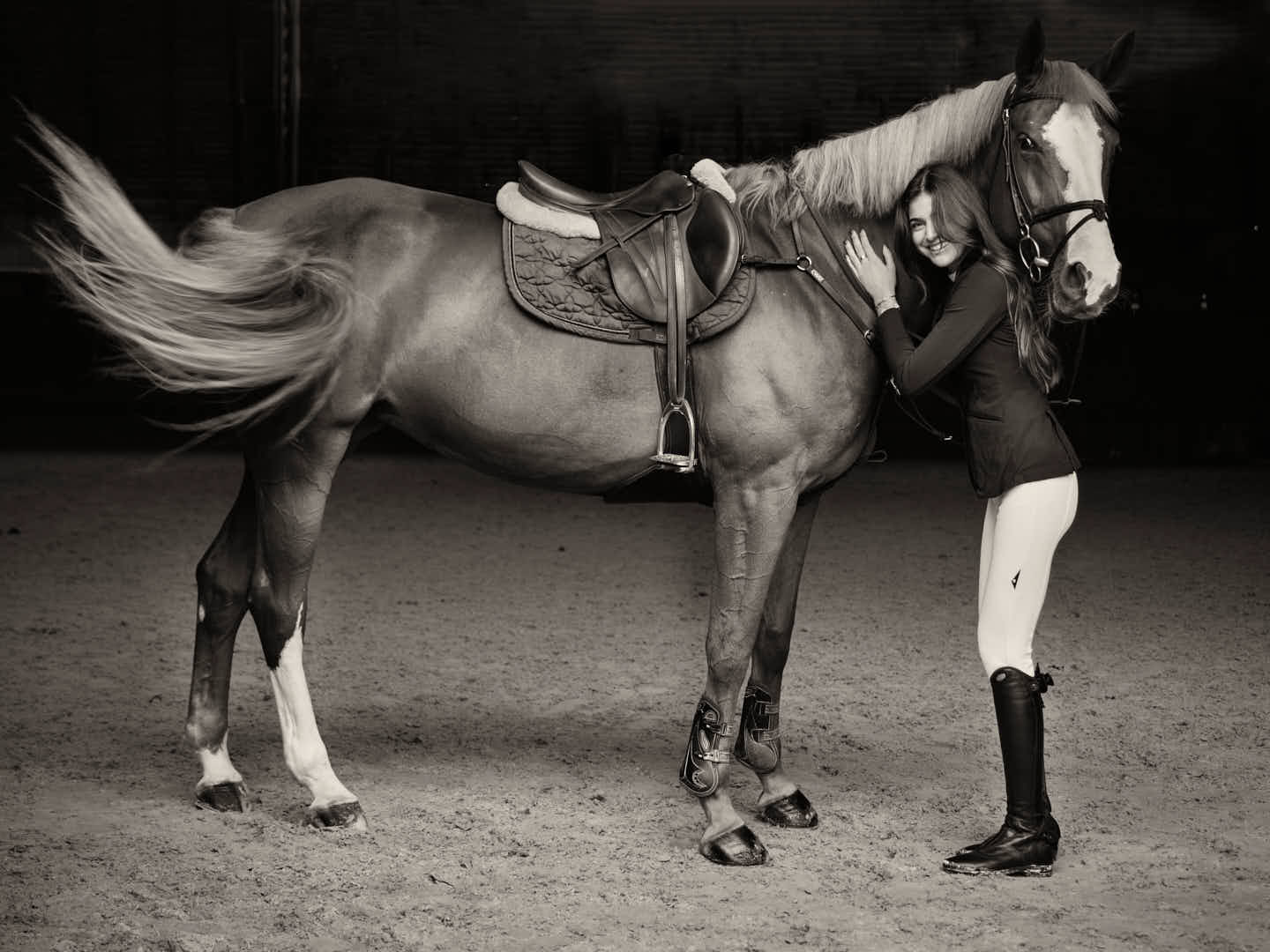
Celebrity photography is an art that goes beyond a simple portrait. It requires a special sensitivity — a unique ability to move past the public image and capture the true essence of a person. As a celebrity photographer specialized in creating soulful images, each session is an opportunity to tell an authentic story. My recent collaboration with elite equestrians Sira Martínez and Alex Codina for a feature in La Vanguardia, held at the iconic Real Club de Polo de Barcelona, is a clear example of this philosophy.
The Challenge of Photographing a Celebrity in Their Natural Environment
When working with a celebrity, trust is the foundation of everything. Sira Martínez, daughter of the renowned coach Luis Enrique, is not just known for her lineage — she is a top-level athlete, a show-jumping rider who has built her own name through discipline and talent. Alongside her, Alex Codina, another of Spain’s great equestrian promises. Both share a life devoted to horses and competition.
The challenge for a Celebrity Photographer was not only to capture their elegance, but the real connection they share with each other and with their passion: the equestrian world. The choice of the Real Club de Polo de Barcelona was no coincidence. Founded in 1897, this club is not just a prestigious setting; it breathes sporting history and tradition in every corner. It was the perfect canvas to frame the strength and sensitivity of Sira and Alex.
Building the Visual Narrative: Beyond the Pose
My goal as a celebrity photographer is to avoid the forced pose and seek moments of truth. Before the session, I took time to understand their dynamic — how they interact with one another, and above all, the almost mystical bond Sira shares with her horse. This connection phase is crucial. It allows the celebrity to relax and reveal more personal sides, far from media scrutiny.
The session took place among the stables, the training arenas, and the club’s gardens. I sought the natural light filtering through century-old trees, creating an intimate and timeless atmosphere. The portraits of Sira with her horse are not just images of an athlete; they are the chronicle of a bond built through hours of training and mutual trust. Capturing that gaze, that subtle gesture of complicity — that is what turns a good photo into a memorable one.
With Sira and Alex together, the energy was different. Their connection as a couple and as fellow athletes was tangible. My role as a Celebrity Photographer was to be a silent observer, anticipating those spontaneous laughs, those shared glances, those gestures of mutual support that define their relationship. These are the images that give depth to the story — showing the human being behind the public figure.
Technique in Service of Emotion
While human connection is the priority, photographic technique is the tool that brings the vision to life. The choice of lenses, the play with depth of field to isolate the subjects from their surroundings, and the mastery of light — these are decisions a celebrity photographer must make in seconds. Every shot was designed to highlight the natural elegance of the athletes, the power of the animal, and the sophistication of the setting.
The work was published by a prestigious outlet such as La Vanguardia, which stands as recognition of both its quality and journalistic relevance. For a client or art director looking for a Celebrity Photographer, seeing a feature published in a leading medium is proof of professionalism and the ability to handle high-visibility projects.
In short, photographing Sira Martínez and Alex Codina was a deeply enriching experience that encapsulates my vision of portrait photography. It’s about creating a space of trust where the celebrity can be their true self — allowing the photographer to capture authentic, meaningful moments. The result is a collection of images that not only document, but also move and tell a powerful story of passion, discipline, and love.
This is the added value that a celebrity photographer brings to every project: a unique vision that turns a portrait into a legacy.
Tu foto de perfil de Linkedin te esta costando dinero ¿cuánto? Si quieres tener una idea aproximada de lo que estás perdiendo cada mes por no pasar a la acción y actuar con estrategia haz este test, es rápido, gratis y anónimo. Espero que ayude.
Invertir en fotografía de personal branding sin medir resultados es como apostar a ciegas. Este artículo analiza casos reales de profesionales que midieron el ROI de sus imágenes corporativas: desde coaches que recuperaron su inversión en 5 meses hasta directivos tecnológicos que multiplicaron su credibilidad institucional. Descubre la metodología completa para calcular cuánto te devuelve realmente tu imagen profesional, qué métricas importan y cómo convertir tu inversión fotográfica en una ventaja competitiva medible. Incluye calculadora interactiva gratuita.
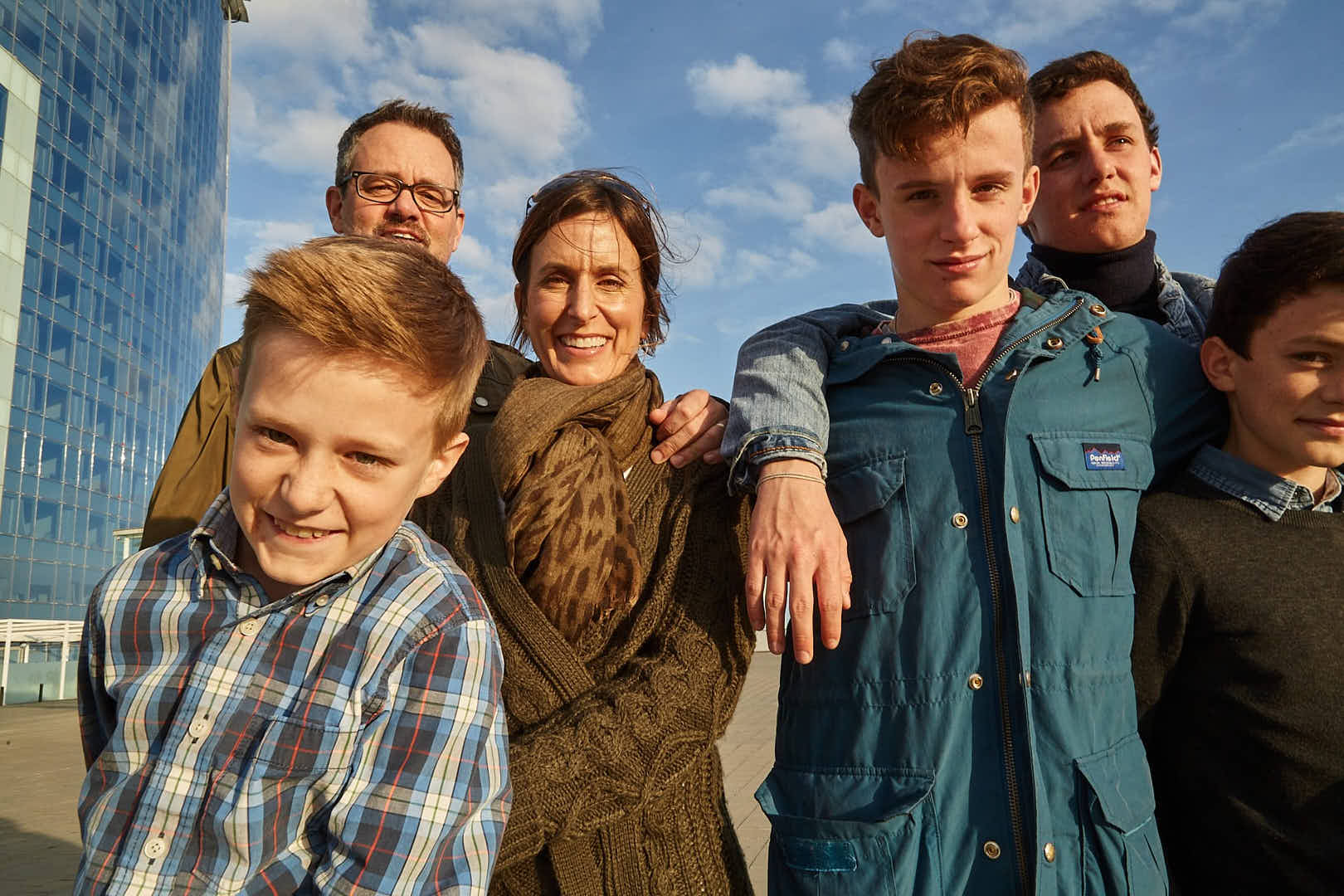
Premium Family Portrait in Barcelona: 7 Powerful Keys to Creating Legacy and Authenticity
A family portrait today, in an era where every moment is trapped in a smartphone, makes perfect sense. Its value as a visual narrative with emotional weight is now incalculable. Families no longer seek just a pretty picture; they seek a piece that reflects who they are, the bond they share, and how they wish to be remembered. A well-conceived, intimate family portrait becomes a bridge to the future, and emotional photography transcends aesthetic luxury—it is an investment in memory, identity, and legacy. As a professional Barcelona photographer, I understand that families are looking for a work of art that reflects their true connection. This is a timely pursuit because we live in a fast-paced world where the ephemeral prevails, and restoring the narrative power of the portrait carries profound meaning.
Capturing the Authentic Essence of the Family
For a portrait to be truly meaningful, it must go beyond mere framing or the perfect pose. It must capture the identity, dynamics, and emotion that make each family unique. When working with a family, the primary challenge is to make members feel free, relaxed, and connected to one another. This state produces photos that don’t just look good—they feel real. For example, an international analysis noted that “the most memorable family photos are those where individuals feel free to express themselves rather than forced by the camera. This carries many benefits, including an increase in self-esteem and personal value.” The Guardian – The secret of a great family photo.
In Spain, this approach is reaffirmed by experts stating that “authenticity in the session is more valuable than aesthetic perfection.” Julio Bárcena – Represent or Recognize. In practice, this means that in an intimate family session, you prioritize natural movement, real interaction (games, hugs, spontaneous glances), and allow time for the camera to capture without over-intervening. The result is a portrait that communicates rather than just decorates.
“An authentic family photograph is not taken: it is built with respect, emotion, and a sensitive gaze toward those in front of the camera.” — Julio Bárcena
Building a Visual Legacy that Endures
A portrait that aspires to endure is built with durability, narrative, and future relevance in mind. A portrait premium should not be affected by passing trends: it must look toward tomorrow. From technique (light, composition, processing) to emotion (the gaze, the bond, the moment), everything must be aligned with the future. A prestigious international article stated that “family portraits have the power to document emotions and relationships that endure over time.” National Geographic – Photography section.
At the same time, investing in high-quality portraits guarantees that a family’s visual memory will last for generations. Applied to a family portrait, this implies conscious planning: choosing a meaningful location, dressing according to identity, and proposing dynamics that reflect the family story. The goal is to deliver a product that children and grandchildren can look back on without the image ever losing its power.
Maintaining Authenticity Against the Modern Visual World
In the age of filters, social media, and mass-produced imagery, authenticity has become a true differentiator. A portrait premium must reflect the protagonists, not an artificial ideal. Respecting each person’s individuality, allowing them to act without rigid scripts, and capturing real emotions (laughter, complicity, tenderness) marks the difference. International research indicates that “the best family images respect individual differences and natural dynamics.” The New York Times – Family photography article. This means that as a photographer, I become a facilitator: creating the atmosphere, guiding you gently, and allowing the authentic to emerge. Ultimately, emotional family photography is not just aesthetic, but a tool for connection, memory, and presence.
From Home Intimacy to the Strength of Your Personal Brand
This same philosophy of authenticity and a «sensitive gaze» is what I apply to my personal branding sessions in Barcelona. Just like in a family portrait, your professional brand needs to project a human, real essence, away from generic filters, building an image that generates trust and authority.
Conclusion
A portrait premium is much more than an image: it is a visual legacy built with intention. Capturing the family’s authentic essence and creating an archive that lasts over time turns a session into a meaningful act. Choosing emotional photography or a curated personal brand image is an offer that transcends generations.
If you are looking to capture your legacy or elevate your professional identity with a premium aesthetic, I would be delighted to bring your story to life as your professional Barcelona photographer.
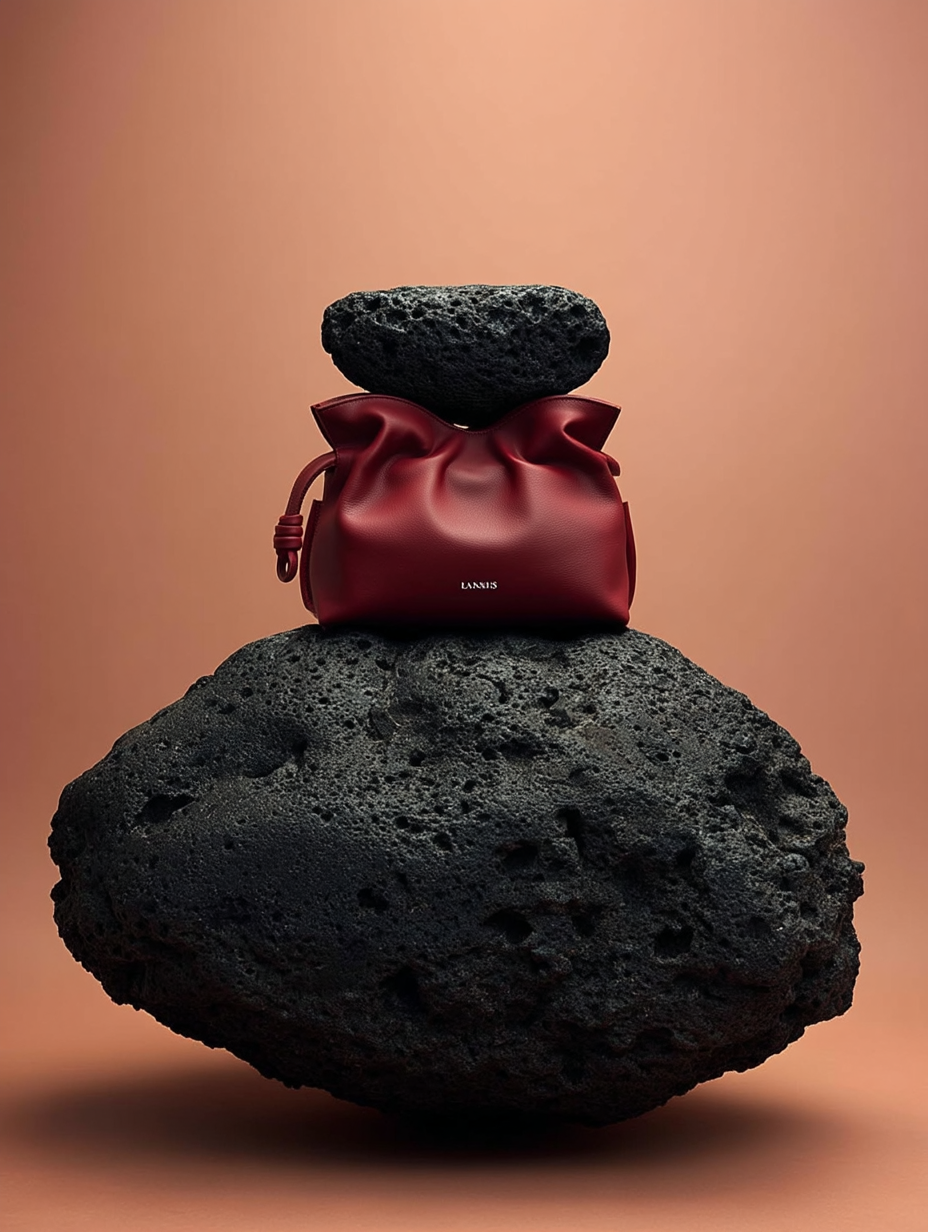
Artificial Intelligence, luxury and creative direction
Generative Artificial Intelligence is Transforming Visual Communication in Beauty, Fashion, and Advertising. The revolution of generative artificial intelligence is redefining how beauty, fashion, and advertising brands conceive, produce, and communicate their campaigns. What used to take weeks of production and large budgets can now be planned, tested, and adapted at unprecedented speed — without compromising aspirational aesthetics or brand consistency.
Far from being a technological trend, generative artificial Intelligence has become a strategic communication tool, capable of creating real value, optimizing resources, and elevating visual creativity to the next level.
New visual languages for beauty and fashion brands
Generative artificial Intelligence allows teams to experiment with styles, textures, atmospheres, and compositions without shooting every idea in real life. This makes it easier to create mood boards and visual prototypes for campaigns before committing to production.
For instance, a beauty brand can visualize how a new product line would look in different settings — studio, editorial, lifestyle, macro-product shots — before deciding on the final approach. In fashion, creative teams can explore aesthetic variations of a collection (color, fabric, silhouette, lighting) with near-photorealistic precision.
Personalization without losing identity
The greatest strength of generative artificial Intelligence is not just speed, but its ability to adapt the same campaign to different audiences and markets, while always respecting the brand’s visual identity.
A single visual can generate multiple versions for different countries, platforms, or age segments, maintaining the aspirational tone, art direction, and message. This flexibility maximizes creative ROI without fragmenting the brand.
Efficiency in production and campaign timing
Marketing teams can reduce visual development time without sacrificing quality:
Redundant pre-production phases can be eliminated.
Variations in framing, color, or context can be generated instantly.
Shooting and post-production resources are optimized.
This doesn’t replace photography or audiovisual production but enhances it: each physical production is carried out with a clearer strategy, informed by AI-generated visual previews.
Seamless integration into real campaigns
AI-generated images can integrate naturally into mixed visual ecosystems, where real and generated materials coexist:
AI-created backgrounds that expand sets.
Variations of product or packaging prior to launch.
A/B testing of different art directions before shooting.
This allows brands to evaluate the visual impact of an idea before fully investing, reducing risk and improving ROI.
Data-driven creative decisions
Generative AI combined with analytics enables brands to measure the performance of each visual concept. They can identify which compositions, models, colors, or layouts drive the most engagement and adjust campaigns accordingly.
The result is smarter marketing, where creativity and data work together to strengthen positioning and emotional connection with the audience.
Towards a new human-technology collaboration
The key is not to replace human creation, but to equip it with new tools. Leading brands are those that combine the aesthetic judgment of their teams and collaborators with the capabilities of generative AI to explore, test, and amplify their message.
The near future belongs to brands that merge human vision with technological efficiency: more consistent campaigns, faster turnaround, and even more refined aesthetics.
Conclusion
Generative AI is not a shortcut; it’s a new layer of creativity and strategy. In beauty, fashion, and advertising, brands that integrate it wisely will achieve more versatile, coherent, and profitable campaigns without compromising style or human value.
Celebrity Editorial Portrait: Nadine Sierra in Barcelona
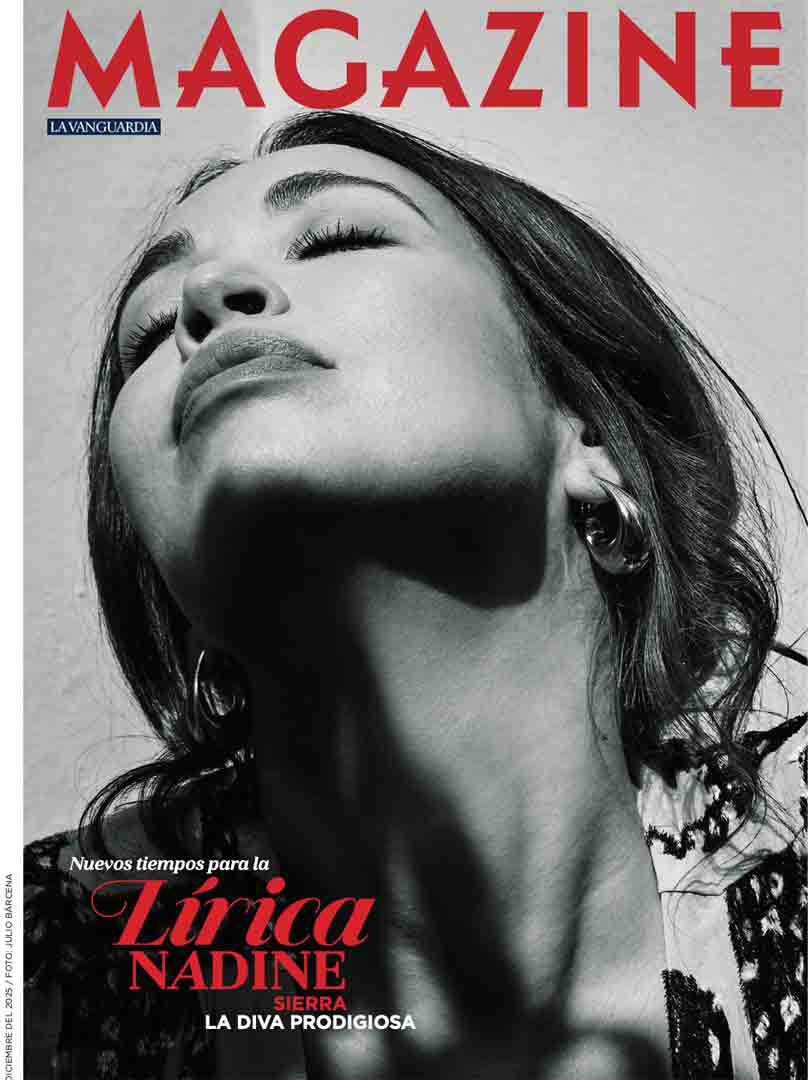
The cover of La Vanguardia Magazine featuring Nadine Sierra showcases how celebrity editorial portraits require sensitivity, strategic understanding, and a precise interpretation of communication goals. This Barcelona session demonstrates that authentic portrait photography is not just about aesthetic images, but about crafting a credible visual narrative aligned with the cultural positioning of one of today’s most remarkable operatic voices.
Introduction
Creating an editorial portrait of a figure like Nadine Sierra carries significant responsibility. It’s not just photographing a celebrity—it’s interpreting an artist who has achieved unparalleled professional success while maintaining a deeply personal sensitivity. For a cover of La Vanguardia Magazine, the stakes are even higher: the image must uphold the magazine’s prestige, engage its audience, and authentically represent its subject.
This project, executed in Barcelona on Montjuïc hill, was approached as a careful balance of authority, elegance, and humanity. It exemplifies how editorial portraits in Barcelona can compete at the highest international level when guided by a clear, shared vision.
Working with Exceptional People Requires Understanding
Nadine Sierra is not only one of the finest sopranos of our time; she is an artistic phenomenon with a career spanning the world’s major opera houses. Her public presence is flawless, but her true strength lies in the coherence between her professional excellence and personal identity.
Before lifting the camera, it was essential to understand who she is today: a contemporary, strong, and determined woman who has achieved everything professionally while remaining sensitive. This preliminary stage, often invisible, is crucial for authentic portrait photography. It ensures the final image is not superficial, but a genuine synthesis of career, character, and life stage.
Sensitivity as a Creative Challenge
In celebrity editorial portraits, sensitivity is not secondary; it is central. Individuals accustomed to public exposure develop a keen awareness of how they are portrayed. Ignoring this results in technically correct images that feel emotionally empty.
During the session, every choice—from physical distance to shooting pace—was designed to foster trust. The chosen classical aesthetic was not a formal device but a narrative tool: a way to highlight her timeless artistic presence while avoiding fleeting trends.
This kind of portrait requires active listening and adaptability. Only then can an image convey authority without rigidity and intimacy without artifice.
Translating Editorial Goals into Meaningful Images
One of the most stimulating aspects of this project was aligning the communication objectives of La Vanguardia Magazine with Nadine Sierra’s personal vision. The magazine sought a cover with cultural gravitas, sophistication, and credibility, while Nadine wanted to appear strong, confident, and genuine.
The choice of Montjuïc as the location was deliberate. Its character, quietness, and symbolic resonance offered a visual context that supported the narrative without overpowering it. In this sense, editorial portraits in Barcelona hold tremendous potential when approached with narrative intent rather than purely aesthetic considerations.
The photographer here functions as a strategic interpreter, translating abstract intentions into visual decisions that succeed editorially and reputationally.
Conclusion
The resulting editorial portrait of Nadine Sierra is not only a successful cover but also a case study demonstrating how authentic portrait photography can become a strategic communication asset. When understanding, sensitivity, and clear objectives align, images transcend aesthetics to convey meaningful messages.
This approach reinforces a working method grounded in deep interpretation, visual elegance, and respect for the subject—especially valuable for artists, cultural leaders, and public figures seeking images that speak with coherence, authority, and lasting impact.
Strategic Conversation
If you are an artist, creator, or professional seeking to elevate your public image to match your accomplishments and goals, a strategic conversation is the first step. Understanding what you want to communicate, to whom, and from what perspective is what allows the creation of portraits with meaning, impact, and long-term value. Thoughtful photography is not an expense—it is an investment in positioning.
Professional Portrait Photographer in Barcelona: 4 Mistakes That Weaken Your Executive Personal Branding
Corporate portraits for executives: why a professional LinkedIn image can either boost or undermine your positioning. Choosing the wrong approach can cost opportunities, dilute authority, and fail to communicate your leadership presence effectively. In highly competitive environments, your first impression is digital and instantaneous. This article examines the most common mistakes executives, founders, and leaders make when commissioning professional portraits and why working with a professional portrait photographer in Barcelona who understands business context can deliver real strategic value.
Introduction Your professional image is your first filter. Before a meeting, interview, or investment decision, someone has already formed an opinion of you based on a single photograph. LinkedIn, your corporate website, or press coverage doesn’t just show how you look—it communicates how you lead, think, and what level you operate at. Yet, many high-level professionals still make critical mistakes when commissioning portraits, relying on purely aesthetic or price-based criteria. The result: images that don’t add value, fail to differentiate, or worse, actively work against you.
Mistake 1. Assuming any photographer can do the job One of the most common errors is assuming all photographers can produce an executive portrait with impact. Corporate portraits for executives require a deep understanding of business context, the subject’s role, and the message that needs to be conveyed. Photographing a CEO, partner, or founder for investors is completely different from photographing actors, weddings, or creative profiles. A professional portrait photographer in Barcelona specialized in executive branding understands visual hierarchy, credibility, perception of power, and alignment with personal brand. Without this specialization, you risk having technically correct images that are strategically irrelevant.
Mistake 2. Not defining the strategic message your image should convey Many executives request «a LinkedIn photo» without first defining what they want that image to communicate. Authority or approachability? Innovation or stability? Strategic vision or operational leadership? A professional LinkedIn image is never neutral—it communicates even when you don’t want it to. Without prior reflection, your portrait is reduced to lighting and background, missing its full potential as a communication tool. Strong personal brands treat their image with the same intention, coherence, and focus as their messaging.
Mistake 3. Prioritizing cost over business impact Another frequent mistake is treating an executive portrait as an expense rather than an investment. The cost of a session is meaningless if you don’t consider the impact that image will have on business opportunities, hiring decisions, market trust, or competitive positioning. Studies in branding and visual psychology confirm that people attribute competence, leadership, and success within milliseconds based on a single image. Cutting corners in this area usually costs more in the long run, as your image is your ambassador for years.
Mistake 4. Choosing a “safe” photographer who only shows what is visible A technically competent photographer may produce a flawless image that only shows what is already visible in the mirror. The question is: is that enough? In competitive environments, where many professionals have similar credentials and messaging, an image that merely confirms appearances offers no advantage. If you want to stand out, your photographer must not only master technique and visual language but also understand how perception, authority, and value are built in business contexts. Otherwise, you risk images that, while not overtly wrong, silently cost you opportunities: they don’t elevate you, differentiate you, or strategically position you.
Conclusion Executive personal branding through images is not a trend or a decorative accessory—it’s a strategic business tool. Avoiding these mistakes can mean the difference between an image that merely exists and one that actively works for you. Leaders who understand this seek positioning, consistency, and return on investment. That level of impact is achieved only when images are treated with the same seriousness as any other strategic decision.
Let’s talk
If you are an executive, founder, or brand leader and feel your current image does not reflect your level, vision, or ambition, you may not need a photo session—you need a strategic conversation. Analyzing how the market perceives you, what your current images communicate, and what they should communicate is the first step to making high-impact decisions. If you want to discuss positioning, differentiation, and ROI through your professional image, I would be delighted to speak with you.