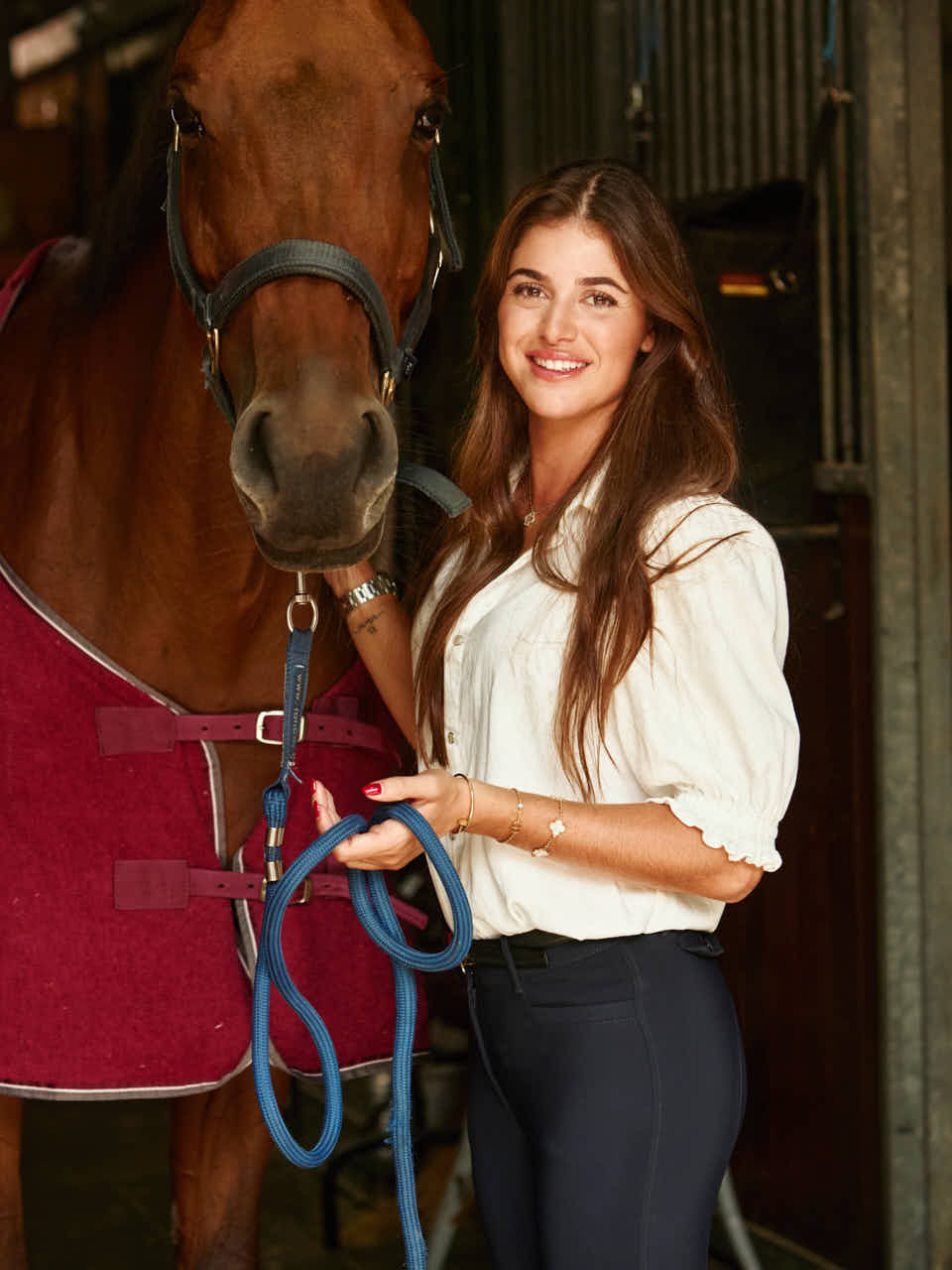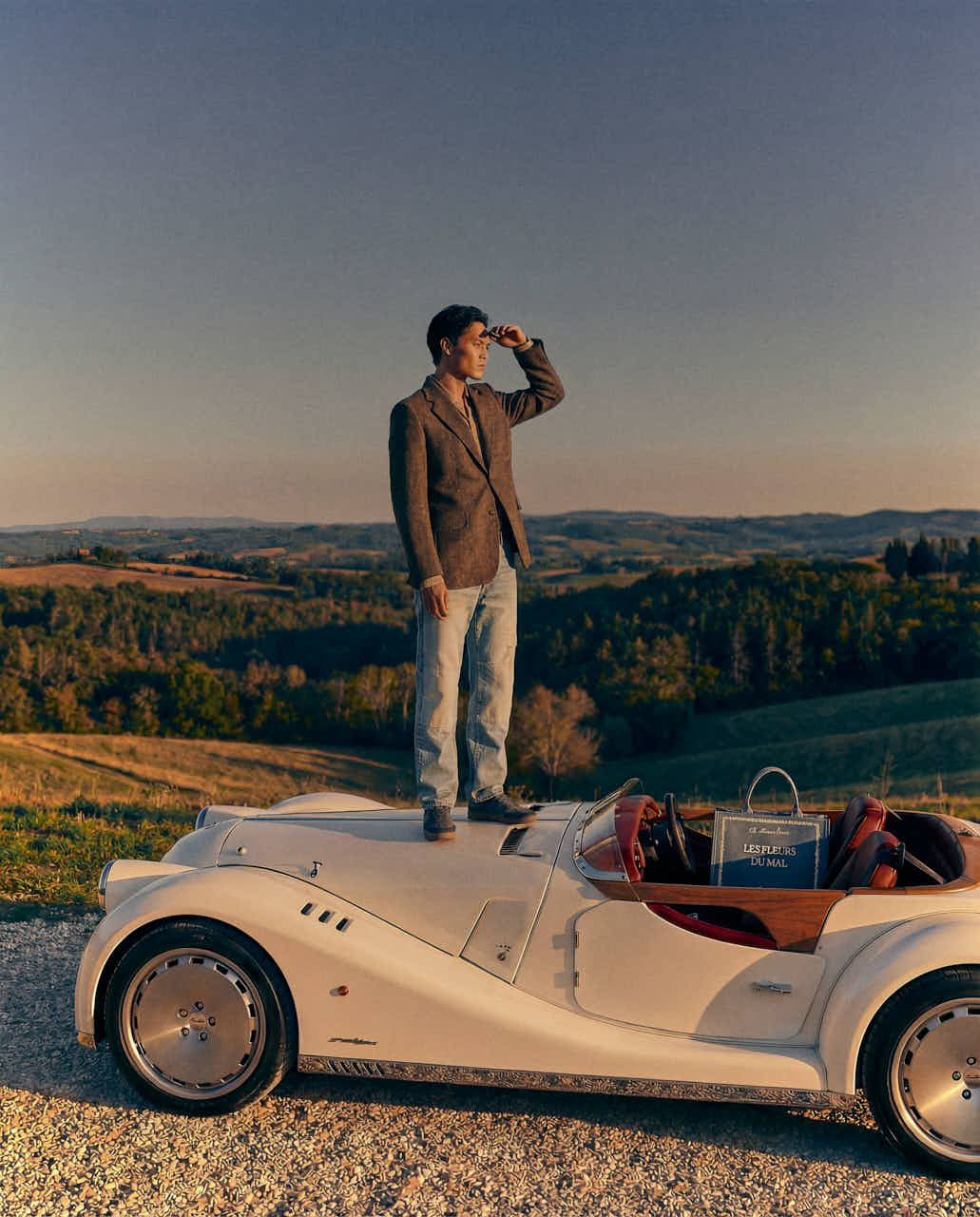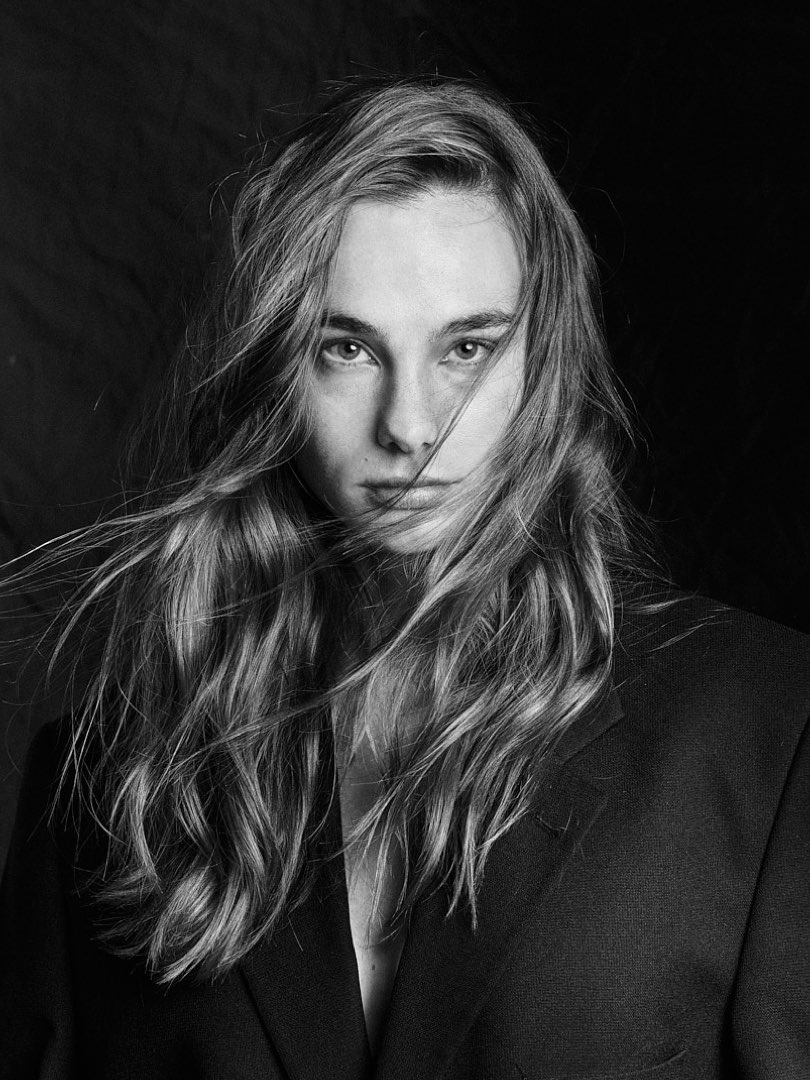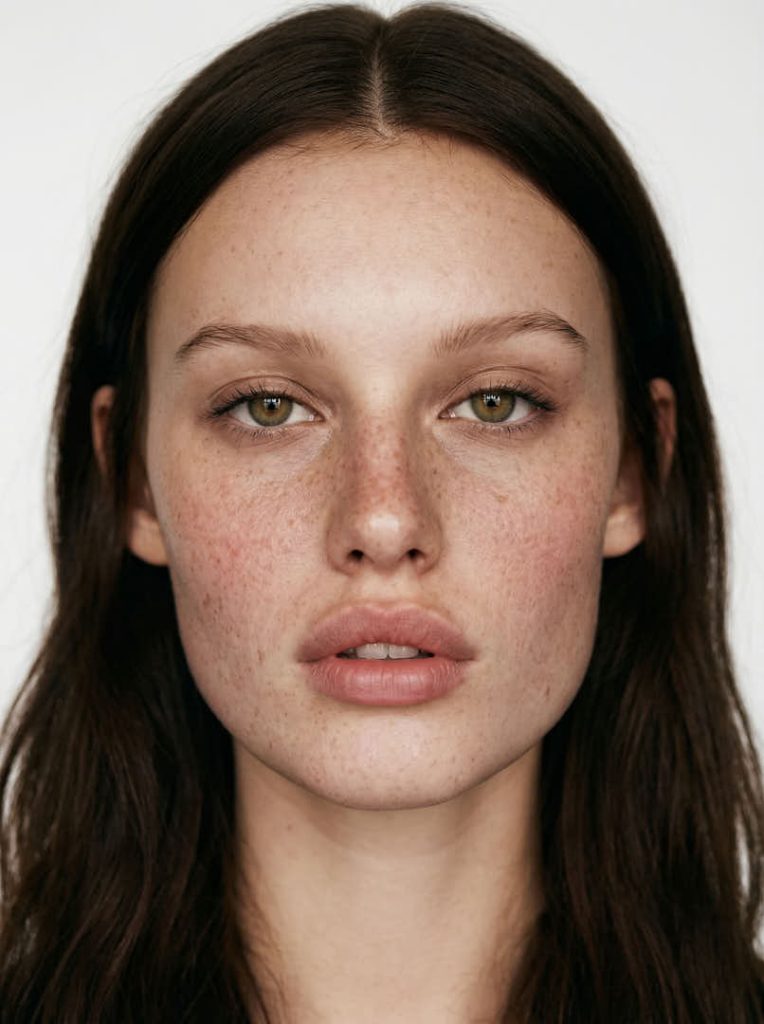
A custom AI model has moved past being a technological curiosity. Major brands are already using them at scale — Mango ran its first fully AI-generated campaign across 95 markets, H&M built AI «digital twins» of its own contracted models, and Levi’s tested AI-generated models before public pressure led it to walk the approach back[1]. The gap between a campaign that works and one that gets pulled has nothing to do with the tool. It’s direction.
What an AI model actually is
An AI model is a system trained to generate consistent images from visual references and creative guidelines — it interprets a defined set of decisions rather than producing content at random. Built and directed properly, it becomes a strategic brand asset capable of holding visual consistency across formats and channels. Built without direction, it becomes exactly what critics point to when these campaigns go wrong: generic, replaceable, and impossible to defend when a journalist or a customer asks who actually approved it.
The decisions that make a model a brand asset, not a generic figure
A digital model isn’t just a generated figure — in a properly directed campaign, it functions as an extension of the brand’s own visual language. That only happens if these decisions are made deliberately, the same way they’d be made in a real casting:
- Physical features and proportions
- Body language and expression
- How the model interacts with the product and the camera
- Level of realism versus stylisation
- Visual context and narrative
For a premium brand, none of these are aesthetic afterthoughts — they’re the same strategic calls a casting director makes, just applied to a generated subject instead of a hired one.
How a documented model gets built
Building an effective AI model takes more than writing prompts. It requires a protocol, the same kind used across every AI-assisted production described on this site:
- Strategic definition. Goals, target audience, and the visual differentiation the brand wants to own, agreed before any generation starts.
- Visual curation. Carefully selected references, with consistency in lighting, framing, skin treatment and overall aesthetic locked in from the start.
- Training and creative control. Iteration, with a documented record of what was generated, what was rejected, and why.
- Scalable production. Once validated, the model generates campaign variations across markets and formats — e-commerce, social, editorial — without drifting from the brand’s visual identity.
What this actually delivers
Done with direction, a custom AI model reduces the cost of photographers, studios and logistics for high-volume content, shortens time-to-market for fast-moving campaigns, and holds visual consistency across every channel without the retouching drift that comes from mixing shoots and photographers. It also cuts the physical footprint of a production — fewer flights, fewer sets built and struck — which is a real, not decorative, sustainability argument.
None of that is automatic. It’s the result of the same documented, defensible process this site applies to every AI-assisted image — which is also what current and upcoming EU transparency rules expect from any brand publishing AI-generated visuals.
Frequently asked questions
What is a custom AI model in a brand campaign?
A system trained to generate a consistent digital figure based on defined visual references and creative guidelines, used across a brand’s campaigns and channels instead of a single photographed model.
Do brands using AI models need to disclose it?
Increasingly yes — several 2025 campaigns using undisclosed or barely disclosed AI models drew significant public backlash, and EU transparency rules make clear disclosure standard practice going forward, not optional.
Can an AI model replace a full photography production?
It can replace parts of one for scalable, high-volume content, but it requires the same creative direction, casting-level decisions, and documented protocol as a traditional production to avoid looking generic or provoking backlash.
Considering a custom AI model for your next campaign? Let’s talk about your project.